Parking near parks, open spaces, pathways, and recreation areas
Why shared spaces must stay clear and how parking supports safe recreation Parking near parks, open spaces, pathways and recreation areas
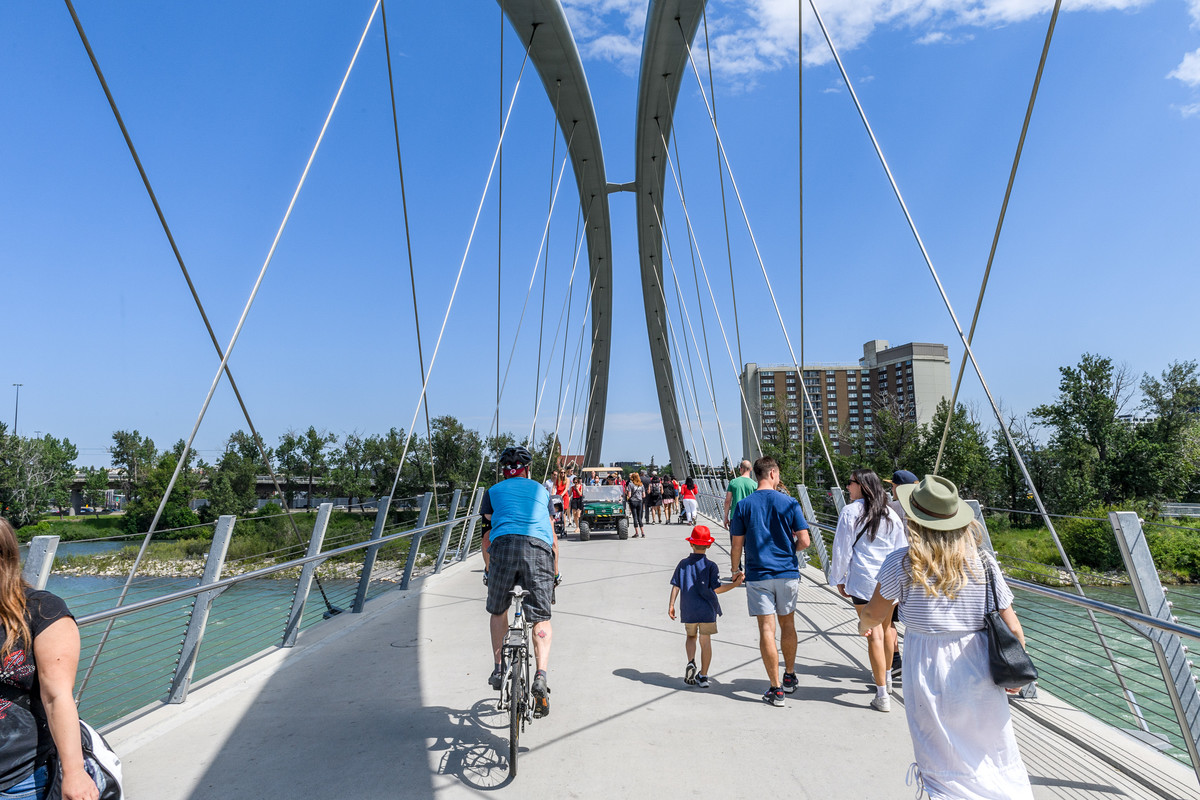
Calgary’s parks, open spaces, pathways and recreation areas are shared public spaces. They’re used every day by people walking, wheeling, cycling, playing, gathering and travelling through — often all at the same time.
Parking in these spaces works best when vehicles are placed where they’re intended to go and kept out of areas designed for people, movement and emergency access.
This page explains:
- where parking is allowed in and around parks, open spaces and recreation areas
- why sidewalks, pathways and boulevards must stay clear
- how Parking Safety & Compliance supports safe, accessible recreation spaces
The focus is on safety, access and protecting places that belong to everyone.
Education over enforcement approach
Parking Safety & Compliance takes an education‑first approach in parks, open spaces and recreation areas, especially where parking rules may not be obvious to visitors.
Officers focus on:
- safety and access
- explaining the rule and the reason behind it
- encouraging voluntary compliance whenever possible
Enforcement may still occur when parking:
- creates a safety risk
- blocks access
- damages parkland, open space or pathway infrastructure
- continues after education

Why parking around parks and recreation areas is different
Unlike regular streets, parks, open spaces and recreation areas include:
- narrow access roads and service routes
- sidewalks, pathways and multi‑use pathways
- landscaped, natural and open green spaces
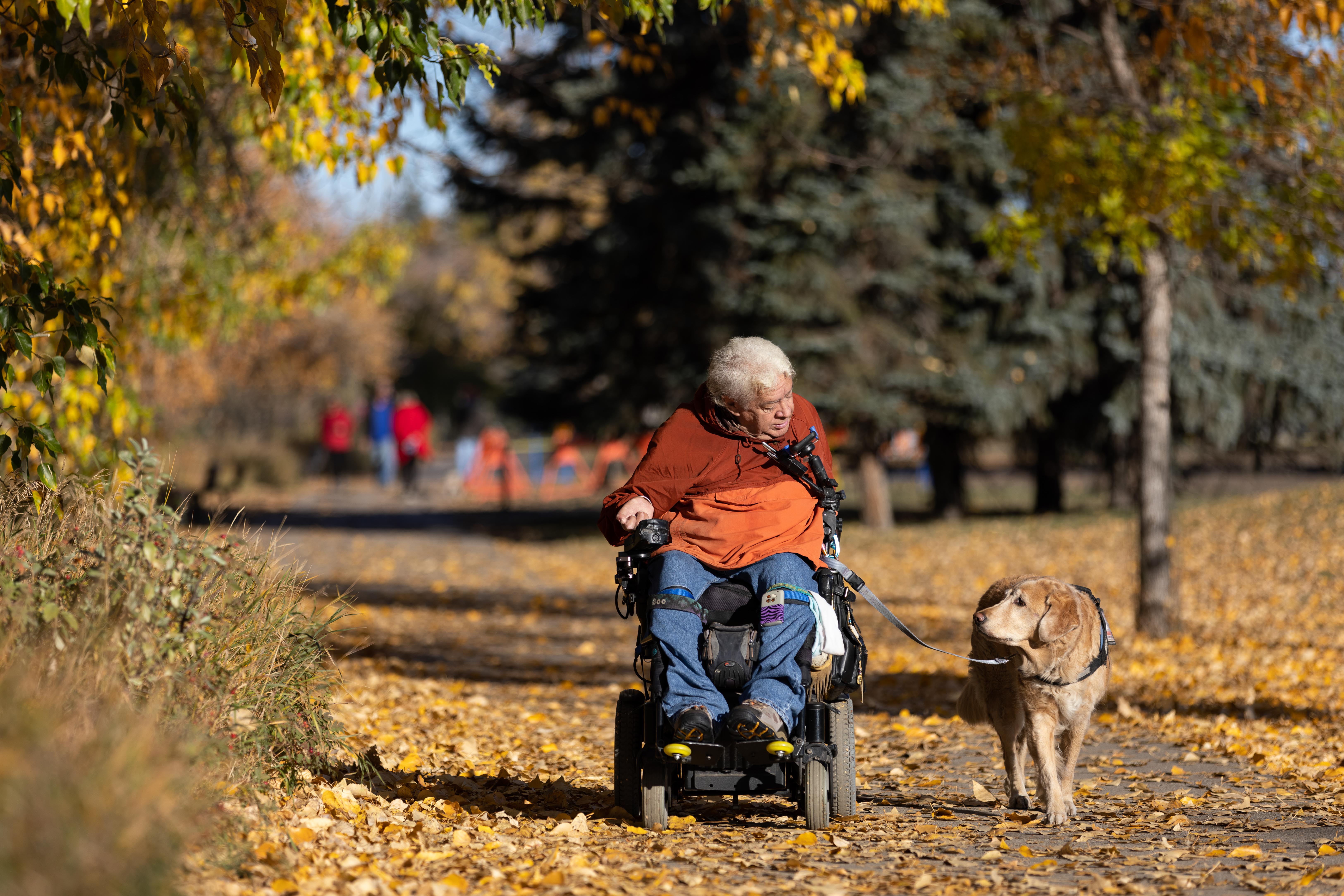
- locations with high volumes of children, seniors and people with disabilities
When vehicles park outside of marked areas, it can:
- block emergency responders and service vehicles
- prevent people using mobility aids from moving safely
- create conflicts between vehicles and people
- damage grass, trees and park infrastructure
- interfere with maintenance and seasonal operations
Once parkland or pathway infrastructure is damaged, it can take years to restore.
How to avoid a ticket in parks and recreation areas
The easiest way to avoid issues is to:
- park only in marked or signed areas
- keep sidewalks, pathways and boulevards clear
- never park on grass or landscaped space
- watch for temporary event or seasonal signage
If a space feels unclear, it’s usually not intended for parking.
Where parking is allowed
Parking is only allowed where it’s clearly intended and marked.
You may park:
- in marked parking stalls
- in signed parking areas
- in designated parking lots or parkades, where provided
If a space isn’t marked or signed, it isn’t intended for parking — even if it feels convenient or others are parked there.
-
Sidewalks, pathways and boulevards must stay clear
Sidewalks, pathways and boulevards are designed for people and movement — not vehicle storage.
Parking in these areas can force people into traffic lanes, block access for wheelchairs, strollers and mobility devices, create dangerous sightline issues and reduce safety on busy pathways and crossings.
Keeping these areas clear helps ensure parks and recreation spaces are safe and accessible for everyone.
-
Parking on grass and landscaped areas
Parks and open spaces are protected.
Vehicles must not park on grass or landscaped areas, natural or open green space or pathway edges or shoulders.
Parking on green space damages turf and tree roots, increases maintenance costs and reduces access for others. Vehicles parked in these areas may be ticketed or towed.
-
Park roads, gates, and access routes
Park access roads, service routes and gates must remain clear at all times.
Blocking these areas can delay emergency response, prevent waste collection or maintenance or interfere with seasonal operations.
Vehicles that block access routes may be subject to immediate enforcement.
-
Fire hydrants and emergency access
Fire hydrants and emergency access routes must always remain clear — inside parks and along park edges.
Do not park within the required clearance of a fire hydrant, in marked fire lanes or in signed emergency access zones.
Blocking emergency access can delay response when seconds matter.
Accessible parking in parks and recreation areas
- are reserved for vehicles displaying a valid accessible parking placard or licence plate
- are enforced at all times, including evenings and weekends
Parking in an accessible stall without authorization — even briefly — may result in enforcement.
Parking during events and busy periods
During festivals, sports events and seasonal activities temporary parking restrictions may be in place.
Drivers are expected to follow:
- posted temporary parking signs
- cones, barricades and event controls
Temporary restrictions support safety, crowd movement and emergency access.
Learn more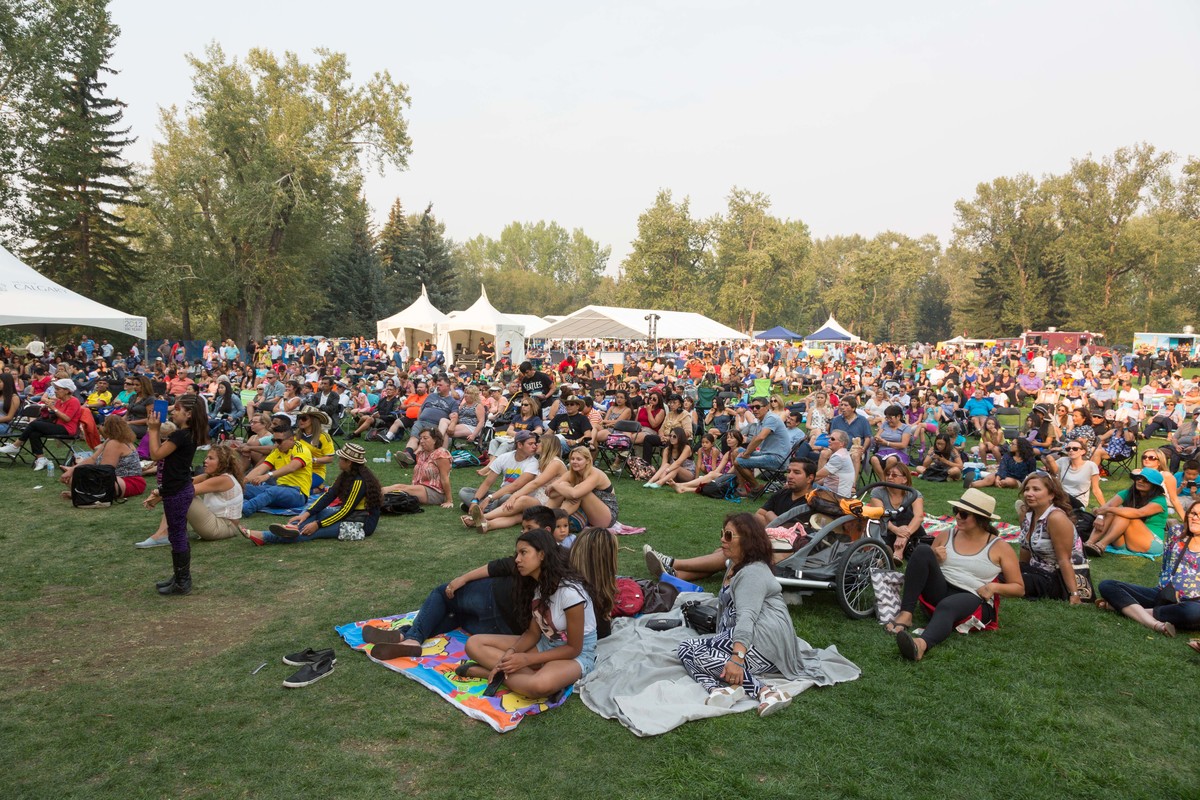
Frequently asked questions
Why did I get a ticket when others were parked there?
Parking in parks, open spaces and recreation areas is only allowed where spaces are clearly marked or signed. Once a safety, access or park‑protection issue is identified, officers must apply the rules consistently — even if similar parking behaviour is common.
Can I park on the grass or boulevard just for a few minutes?
No. Parking on grass, boulevards or landscaped areas damages parkland and creates safety risks. These areas aren’t intended for vehicles, even briefly.
Are parking rules enforced year‑round in parks and recreation areas?
Yes. Parking rules apply in all seasons and during events.
Do officers patrol parks, open spaces and pathways all the time?
Officers focus on locations where safety, access or park‑protection concerns are occurring. Enforcement is guided by real‑world conditions, not routine patrol.
What should I do if I’m unsure whether a spot is allowed?
If a space feels unclear or unmarked, it’s usually not intended for parking. You can contact 311 for guidance or choose another clearly marked space to avoid issues.
Help or concerns?
Clear information helps prevent disruption and frustration.
- Active access or parking issue: 403‑537‑7000 (option 3)
- Questions about accessible parking rules: Contact 311
Response times vary based on safety priorities and call volume.
Related information
These resources provide additional guidance, applications and support parking around parks, open spaces, pathways and recreation areas.