School Patrol Program | Calgary Parking
Every school day, Calgary children walk, wheel, bike, take the bus and cross streets near schools. Families, buses, neighbours and drivers all share the same space at the busiest times of the day.
Where people stop or park can affect what children and drivers are able to see. A safer choice can help keep crossings clear, reduce confusion and give everyone more time to notice what is happening around them.
The School Patrol Program helps Calgarians understand school-area parking rules, make safer choices and know what to expect when Calgary Parking supports schools through education, visibility and enforcement when safety or access is at risk.

About the School Patrol program
The School Patrol Program helps Calgary schools, families and drivers understand how parking choices affect safety around schools. School Patrol Officers support education, visibility and safer habits where they are most needed.
-
Education when possible
Officers help explain the rules, answer questions and support safer choices when there is an opportunity to prevent future parking concerns.
-
Support where it is needed
Schools and communities can receive patrol visits, outreach, safety reminders and information resources when recurring school-area parking concerns are identified.
-
Enforcement when safety is at risk
Calgary Parking can take enforcement action to help keep school areas clear, including when unsafe parking blocks visibility, access or movement.


Help children be seen
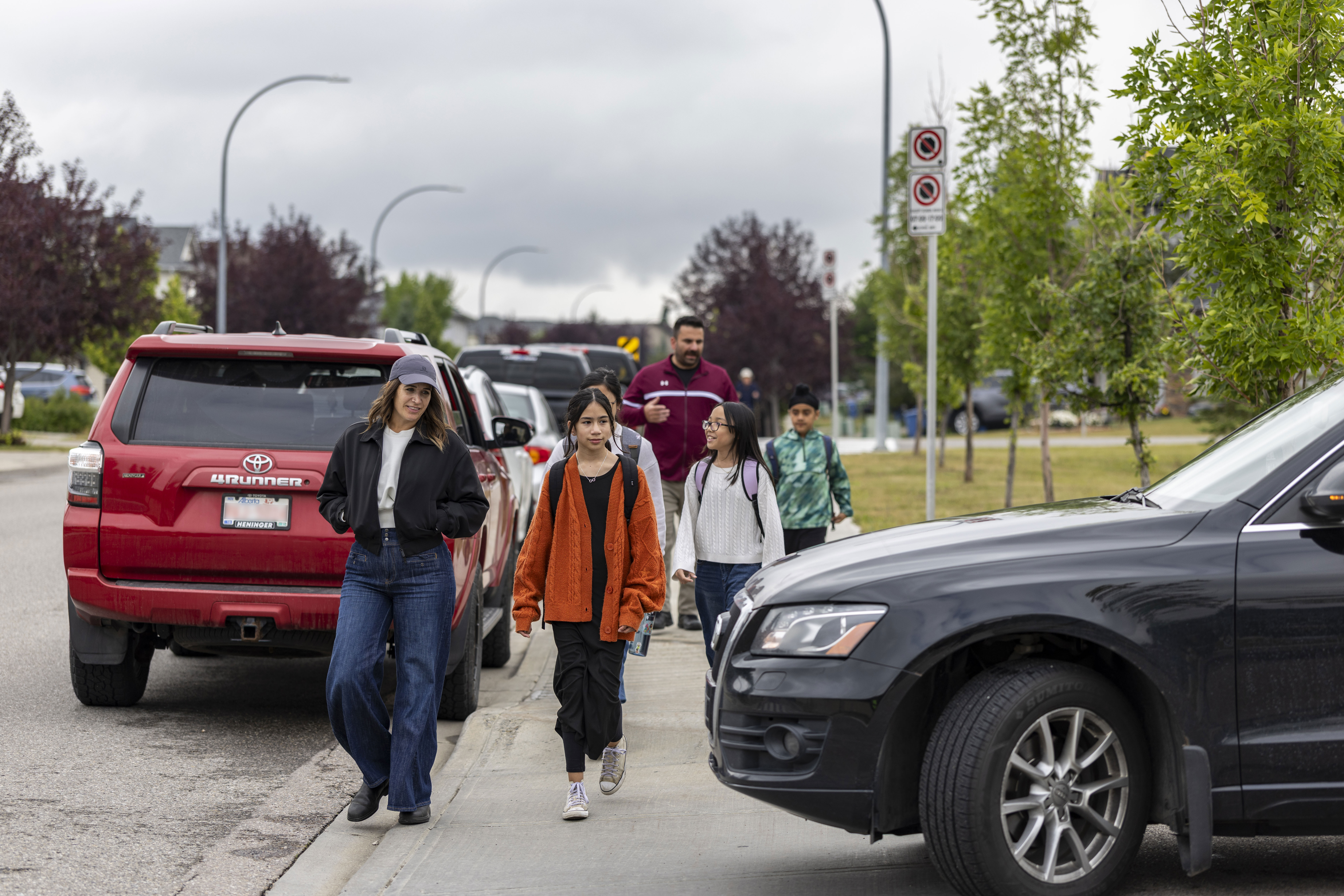
Children are smaller, less predictable and harder to see around parked vehicles. A vehicle stopped too close to a crosswalk, intersection, curb ramp or school entrance can block sightlines for children and drivers.
City traffic safety guidance asks drivers to stay alert, keep crossings clear, follow posted signs and leave space around crosswalks, intersections and stop signs. These simple actions support safer, more predictable school journeys.

Before you stop, check 3 things:
- Can I see around my vehicle?
- Can a child see traffic?
- Am I blocking a crossing, sidewalk, bus zone or sightline?
Most drivers would never intentionally put a child at risk. A rushed stop, a blocked crosswalk or an unsafe parking choice can make it harder for children and drivers to see one another.

Safer choices that help families and schools
Choices made around schools affect what children and drivers can see. Use these quick checks during drop-off, pick-up or any time you drive near a school. They give families practical reminders, help schools respond to recurring safety concerns and support clearer, more predictable movement around busy school areas. In the rush of a school morning, a better parking choice can keep a crosswalk open, give a child a clearer view and help everyone move with more care.
Pick a safer spot
If a spot blocks where people walk, cross, enter or exit, keep going and choose a legal place nearby. A short walk from a legal parking spot can help children stay visible and keep the school area easier for everyone to use.
Keep crossings and intersections clear
Staying back from crossings and intersections helps drivers see children sooner and helps children see traffic before they cross. Give yourself extra time, review your school’s drop-off plan and remind children where to cross and what to watch for before you arrive.
Look before you move
School areas change quickly, so check mirrors, blind spots and the space around your vehicle before moving. Move slowly until you are clear of the school area.
Follow on-street signage
Watch for posted signs and follow them. Signs show where you can stop or park and where space needs to stay clear, including crosswalks, sidewalks, intersections, driveways and bus zones.
Common school-area safety concerns
Many school-area safety concerns come from rushed choices, limited space or confusion about where it is safe to stop. These situations can make it harder for children and drivers to see each other.
Use this checklist before you stop
Before choosing a place to stop or park, take a second look.
- Can children and drivers see each other clearly?
- Is the crosswalk, intersection, curb ramp and entrance to a driveway, school or private property clear?
- Is there enough room for buses, families and people walking or wheeling?
- Am I following the posted parking signs or parked in a no-stopping zone?
- If this spot makes visibility or movement unclear, can I choose a safer legal place nearby?
Avoid the most common risks
Many school-area concerns happen during busy drop-off and pick-up times, when space is limited and people are trying to move quickly. Watch for choices that can block sightlines, create confusion or push children and families into less predictable spaces.
- Blocking crosswalks, intersections, sidewalks, driveways or curb ramps
- Double parking or stopping in a travel lane
- Parking or stopping in bus zones or school entrances
- Ignoring no-parking or no-stopping areas
- Quick or unexpected vehicle movements
Safer school journeys take all of us
School safety works best when everyone understands the role they play. Education, awareness, enforcement, street design, community partnerships and everyday choices all help children move through school areas more safely.
No one does this alone
Schools help guide families. Parents and caregivers plan calmer drop-offs and pick-ups. Drivers keep crossings, sidewalks, bus zones and sightlines clear. Students learn safer travel habits. Communities raise concerns and share local knowledge. Calgary Parking, Calgary Police Service and The City support education, visibility, street safety and enforcement when it is needed.
What you can do today
Choose one safer habit, share the message with your school community and help keep school areas clear, visible and predictable. Small choices by many people can make the journey safer for everyone.
Student voices on safer travel
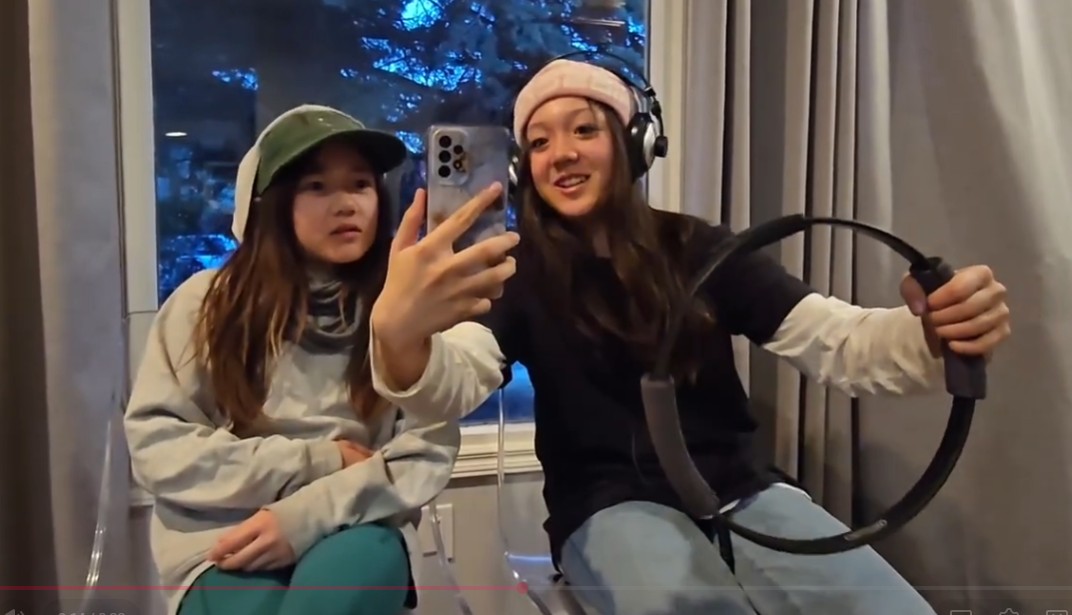
Students see school travel from a different point of view. They know what it feels like to walk, wheel, bike, take the bus or cross near parked vehicles at busy times.
The Travel Safe Student Video Contest gives students a way to share that perspective in their own words. Their ideas can help adults see common school-area choices through a child’s eyes.
View the 2026 content winnersContact us
Seeing unsafe parking around a school? Call 403-537-7000.
Please provide:
- School name
- Day and time of the issue
- Drop-off and/or pick-up time
- Description of the parking concern
Examples include parking on a crosswalk, in a school bus zone, blocking a driveway, double parking or parking too close to an intersection.
Follow us on social media for School Patrol updates and safety tips.