Parking around construction, detours, and special events
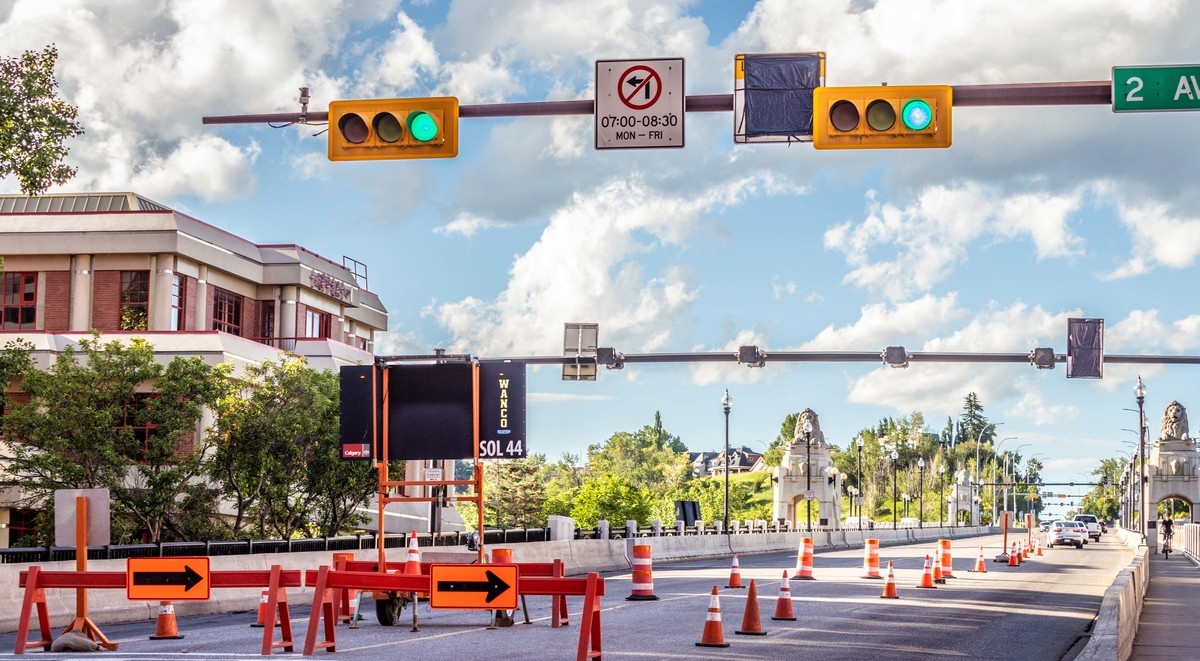
Parking that helps Calgary keep moving when streets change Parking during construction, detours and special events
Roads across Calgary change regularly to support growth, safety and day‑to‑day life. Construction, utility work, major projects, special events and emergency response can all temporarily change how streets are used — and that often means parking needs to change too.
This page explains what to expect with parking when roads are under construction, detours are in place, lanes are closed or special events are underway, so drivers can make informed choices, avoid surprises and keep travel moving smoothly for everyone.
It’s designed to support Calgarians, businesses and visitors — and to help parking work as part of planning a trip, not an obstacle to it.
Education over enforcement approach
When parking rules change temporarily, Parking Safety & Compliance (PS&C) takes an education‑first approach, especially when:
- restrictions are new, short‑term or event‑based
- changes affect residential or mixed‑use areas
- drivers may not expect parking conditions to shift
Officers focus on explaining:
- what the restriction is
- why it’s needed
- how long it applies
Enforcement may still occur when parking creates a safety risk, blocks access or continues after education.
The goal is safe, predictable travel — not punishment.

How we support safe travel
PS&C helps keep streets usable during disruptions by:
- keeping detour routes, travel lanes and event routes clear
- protecting access for emergency and service vehicles
- supporting approved construction, special events and major projects
- reducing congestion caused by blocked curb space
How to avoid a ticket
To reduce stress and avoid tickets or delays:
- check for temporary signs every time you park
- read the full sign, including dates and times
- move your vehicle before restrictions begin
- allow extra time during construction periods and major events
Good parking choices help detours and event plans work, reduce congestion and keep neighbourhoods accessible.
How temporary parking restrictions are created
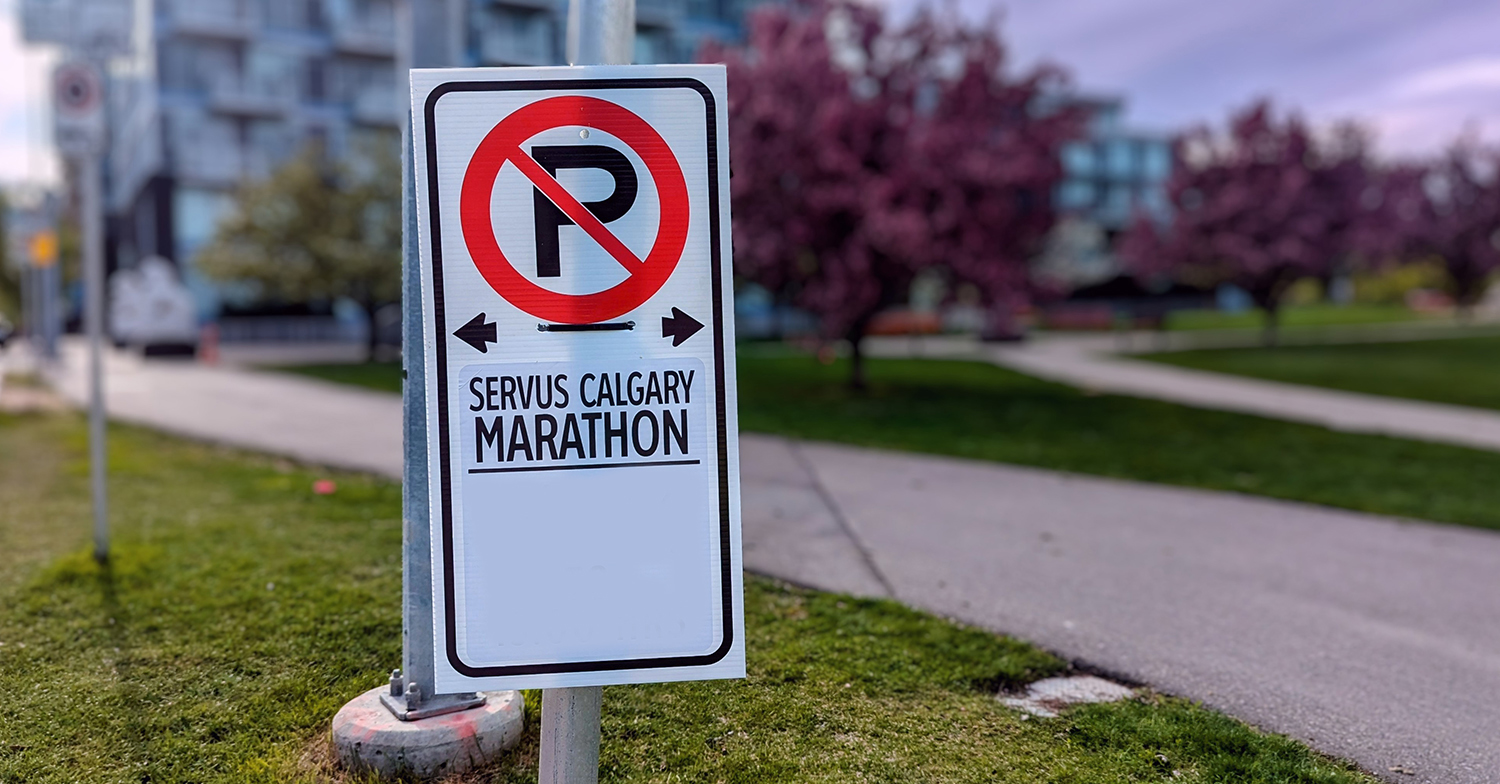
Temporary no‑parking zones are established through City permit and review processes, including:
- Street Use Permits
- Temporary No Parking Permits
- Temporary Traffic Control Plans
- Special events and filming permits
These are reviewed by multiple City teams to balance safety, accessibility, traffic flow, event needs and curb use.
PS&C does not decide where restrictions go. Officers enforce restrictions only after they are approved and properly signed.
Common parking issues when roads are changing
Most problems happen when a vehicle:
- stays parked after temporary signs are installed
- is left overnight without checking updated signage
- blocks a detour route, lane shift or event access area
- occupies space approved for construction, special events or service access
Recognize temporary no-parking zones
Valid temporary parking restrictions must be:
- clearly signed
- time‑limited, with dates and times shown
- placed according to approved permit conditions
Temporary signs often reference:
- construction or utility work
- special events, festivals, filming or street use
- detours, lane closures or event routes
If a sign is legible and properly installed, the restriction applies — even if it’s only for a short time.
Plan ahead before you drive
When construction, detours or special events are underway:
- check current road closures, detours and event impacts
- watch for temporary no‑parking zones or temporary parking bans, which may be put in place to support safety, detours or event operations
- expect parking rules to change near work zones and event areas
- allow extra time for your trip
Temporary no‑parking zones and bans are time‑limited and shown on posted signs. They apply for the dates and times listed and may affect streets that normally allow parking.
Planning ahead helps everyone travel safely while Calgary continues to build, host and improve.
Supporting businesses and neighbourhoods
Temporary parking changes are often used to:
- keep loading zones available for businesses
- support customer access during roadwork or events
- prevent gridlock near detours, venues and event areas
Clear curbs and predictable parking help work and events run smoothly and reduce long‑term disruption.
Will my car get towed?
Towing may occur when a vehicle:
- blocks emergency or service access
- prevents approved work or event operations from continuing
- creates an ongoing safety risk
Understanding temporary parking rules — and checking signs each time you park — helps reduce the risk of towing.
Frequently asked questions
Do temporary no‑parking zones and parking bans apply the same way as regular no‑parking rules?
Yes. Temporary no‑parking zones and parking bans are enforceable when they’re properly signed and in effect for the dates and times shown. They temporarily override regular parking rules to support safety, detours, construction or special event operations.
What if I parked before temporary signs went up?
Once temporary signs are installed and the restriction period begins, vehicles parked in the restricted area may be ticketed or towed. Checking signs each time you park helps avoid surprises.
Why do parking rules change for special events or short‑term work?
Temporary parking changes help manage traffic, protect people working or attending events, and keep emergency and service access clear. These changes are planned and time‑limited.
Do temporary parking restrictions apply in residential and business areas?
Yes. Temporary restrictions can apply anywhere they’re needed to support safety, detours, construction, utilities or special events — including residential streets and business districts.
Who decides where temporary no‑parking zones or bans are placed?
Temporary parking restrictions are reviewed and approved through City permit processes. Parking Safety & Compliance enforces approved restrictions but does not decide where they’re placed.
Help or concerns?
Clear information helps prevent disruption and frustration.
- Active access or parking issue: 403‑537‑7000 (option 3)
- Questions about accessible parking rules: Contact 311
- Immediate safety concern or blocked emergency access: call 911
Response times vary based on safety priorities and call volume.
Related information
These resources provide additional guidance, applications and support related to parking around construction, detours or special events.