Parking near CTrain stations
Parking safety in shared spaces and neighbourhoods Parking safely near CTrain stations
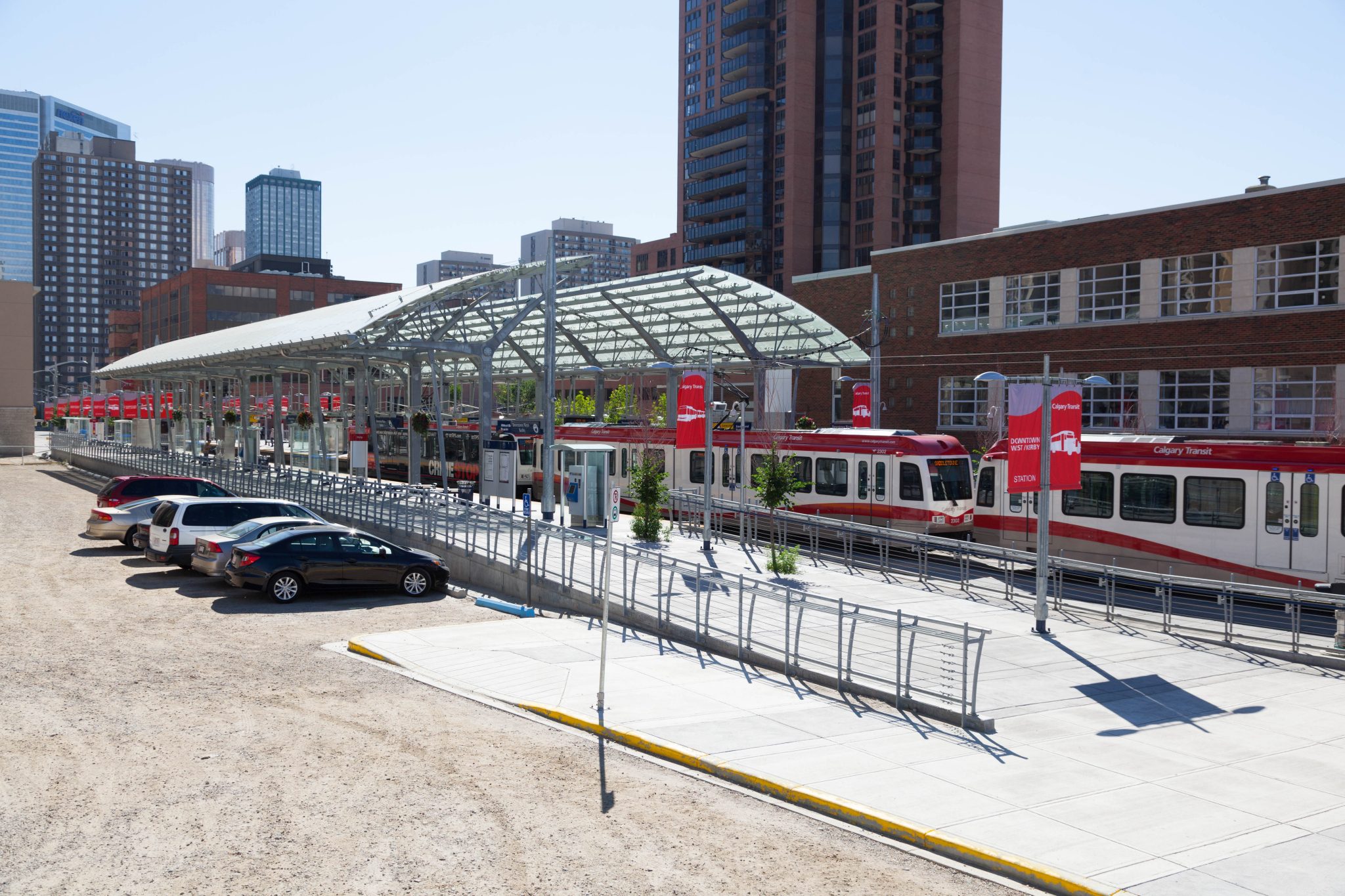
CTrain stations help people move around Calgary safely, efficiently and sustainably. Many riders drive for part of their trip and park near stations — either in Park & Ride lots or on nearby streets.
Areas around CTrain stations are busy, shared spaces. They’re used by:
- transit riders
- local residents
- people walking, wheeling or cycling
- emergency responders
- service and delivery vehicles
This page explains how to park safely and legally near CTrain stations, why parking rules exist and how understanding them can help you avoid tickets whenever possible.
Education over enforcement approach
Parking Safety & Compliance takes an education‑first approach near CTrain stations, where parking rules may not be obvious to new riders, visitors or occasional users.
This means officers:
- explain parking rules and the safety reasons behind them
- focus on locations where access or safety is affected
- encourage voluntary compliance whenever possible
Enforcement may still occur when parking:
- creates a safety risk
- blocks access, fire lanes or service routes
- violates posted restrictions
- continues after education
The goal is safe access for transit users and fair use of neighbourhood streets.

Why parking around CTrain stations is different
Unsafe or illegal parking near CTrain stations can:
- block emergency or service access
- create safety risks at crossings and intersections
- reduce access for residents and people with disabilities
- cause congestion on narrow residential streets
- increase neighbourhood conflict and complaints
CTrain stations connect people and communities. Parking rules help make sure transit access, neighbourhood livability and safety work together.
How to avoid a ticket near CTrain stations
The easiest way to avoid issues is to:
- park only where signage clearly allows it
- follow posted time limits
- keep driveways, sidewalks and intersections clear
- respect residential parking restrictions
- watch for temporary signage during events or service disruptions
If a space feels unclear, it’s usually not intended for parking.
Park & Ride lots
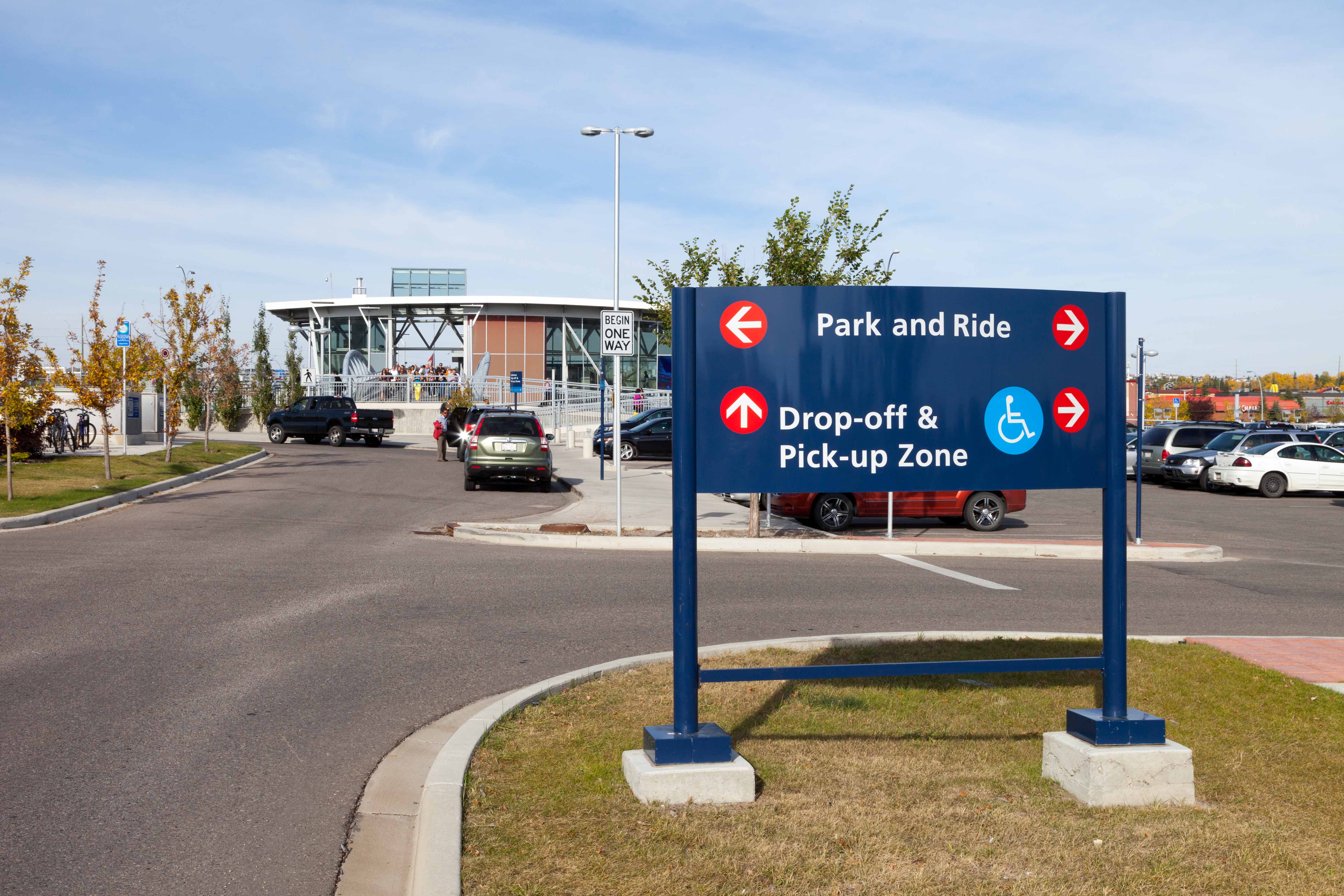
Park & Ride lots are designed to support transit use and must stay safe, accessible and orderly for everyone.
When using a Park & Ride lot:
- follow posted signs and time limits
- follow any payment or registration requirements (where applicable)
- respect reserved and accessible stall signage
Parking longer than allowed or ignoring posted restrictions may result in enforcement. Park & Ride rules apply at all times unless signage says otherwise.
Accessible stalls are reserved for vehicles displaying a valid accessible parking placard or licence plate and are enforced at all times, including evenings and weekends. Misuse, even briefly, can block access for someone who needs it.
Parking on residential streets near CTrain stations
Many CTrain stations are located next to residential neighbourhoods. These streets are shared public spaces — not overflow parking lots.
When parking on nearby residential streets:
- follow posted signs and restrictions
- respect time‑limited parking
- follow permit‑only or residential parking rules
Ignoring posted signs — even for a short time — may result in a ticket.
Driveways, corners, sidewalks and crossings
Parking too close to driveways, corners or intersections can:
- block residents from accessing their homes
- reduce visibility for people crossing the street
- create safety risks for drivers, pedestrians and cyclists
Vehicles must not park:
- within 1.5 metres of a driveway or curb cut
- on sidewalks or crosswalks
- where they block sightlines or pedestrian access
These rules are especially important near stations with high foot traffic.
Fire lanes and hydrants
Fire lanes and hydrant clearances must stay open at all times.
Blocking emergency access, even briefly, can delay response when seconds matter and may result in immediate enforcement or towing.
Temporary restrictions near stations
During major events, service disruptions, construction or maintenance, temporary parking restrictions may be in place.
Always watch for:
- temporary signs
- cones or barricades
- traffic controls
Parking in a temporarily restricted area may result in enforcement, even if the restriction is short‑term.
Myths vs. Facts about parking near CTrain stations
Myth
If I’m gone during the day, it shouldn’t matter.
Fact
Time‑limited and permit rules apply regardless of trip length. Vehicles parked longer than allowed may be ticketed.
Myth
Park & Ride rules only apply during rush hour.
Fact
Park & Ride rules apply at all times unless signage says otherwise.
Myth
I’ll just stop for a minute near the station I'll be fine.
Fact
Short stops can block driveways, sidewalks, fire lanes or emergency access — especially in busy station areas.
Myth
Enforcement near stations is more strict.
Fact
The same bylaws apply city‑wide. Station areas simply have higher safety, access and neighbourhood impacts when parking rules aren’t followed.
Frequently asked questions
Why did I get a ticket near a CTrain station when others were parked there?
If a safety or access issue is identified — or a concern is reported — officers must apply the bylaw consistently, even if the behaviour is common.
Can I park on a residential street all day while I take the CTrain?
Only if signage allows it. Many residential streets near stations have time limits or permit restrictions to balance resident access and transit demand.
Are Park & Ride lots enforced outside peak hours?
Yes. Parking rules apply at all times unless signage says otherwise.
Do officers patrol CTrain areas regularly?
Officers focus on locations where safety, access or neighbourhood impacts are occurring. Enforcement near CTrain stations is guided by posted rules, safety concerns and reported issues, especially during busy periods.
What if I’m unsure where to park?
If you’re unsure, choose another parking option or look for clearer signage. You can also contact 311 for guidance.
Help or concerns?
Clear information helps prevent disruption and frustration.
- Active access or parking issue: 403‑537‑7000 (option 3)
- Questions about accessible parking rules: Contact 311
Response times vary based on safety priorities and call volume.
Related information
These resources provide additional guidance, applications and support related to parking near CTrain stations.