Parking safely in accessible parking
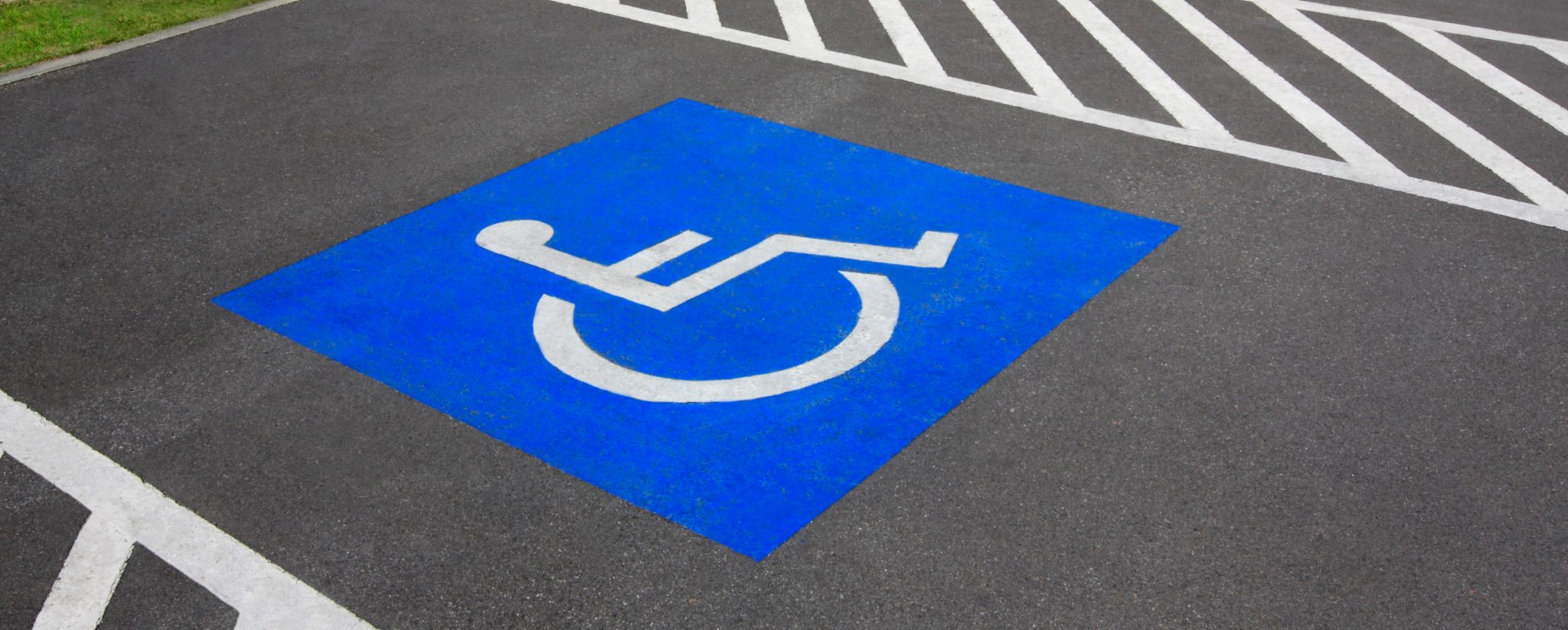
Respecting shared space, dignity and independence Parking safely in accessible parking
Accessible parking plays a critical role in helping people move through the city safely, confidently and with independence. These stalls are reserved for people who need them — not as a convenience, but as an essential part of daily life.
When accessible parking works as intended, people can get to work, appointments, school, services and community spaces without added barriers. When it doesn’t, the impact is immediate and personal.
This page explains:
- who accessible parking is for and how it works
- how to use accessible stalls safely and correctly
- why respectful use matters for equity, inclusion and belonging
- how Parking Safety & Compliance supports access through education first
Education over enforcement approach
Parking Safety & Compliance Officers take an education‑first approach whenever possible — including in accessible parking areas. This includes:
- explaining who accessible stalls are intended for
- clarifying placard and licence plate display rules
- addressing common misunderstandings about eligibility
Accessible parking is also consistently enforced. Misuse directly affects someone’s ability to move safely and independently, which is why enforcement may occur when:
- a valid placard or licence plate is not displayed
- a stall is used by someone who is not eligible
- access is blocked, even briefly
Education builds understanding. Enforcement protects access.

Who is accessible parking for?
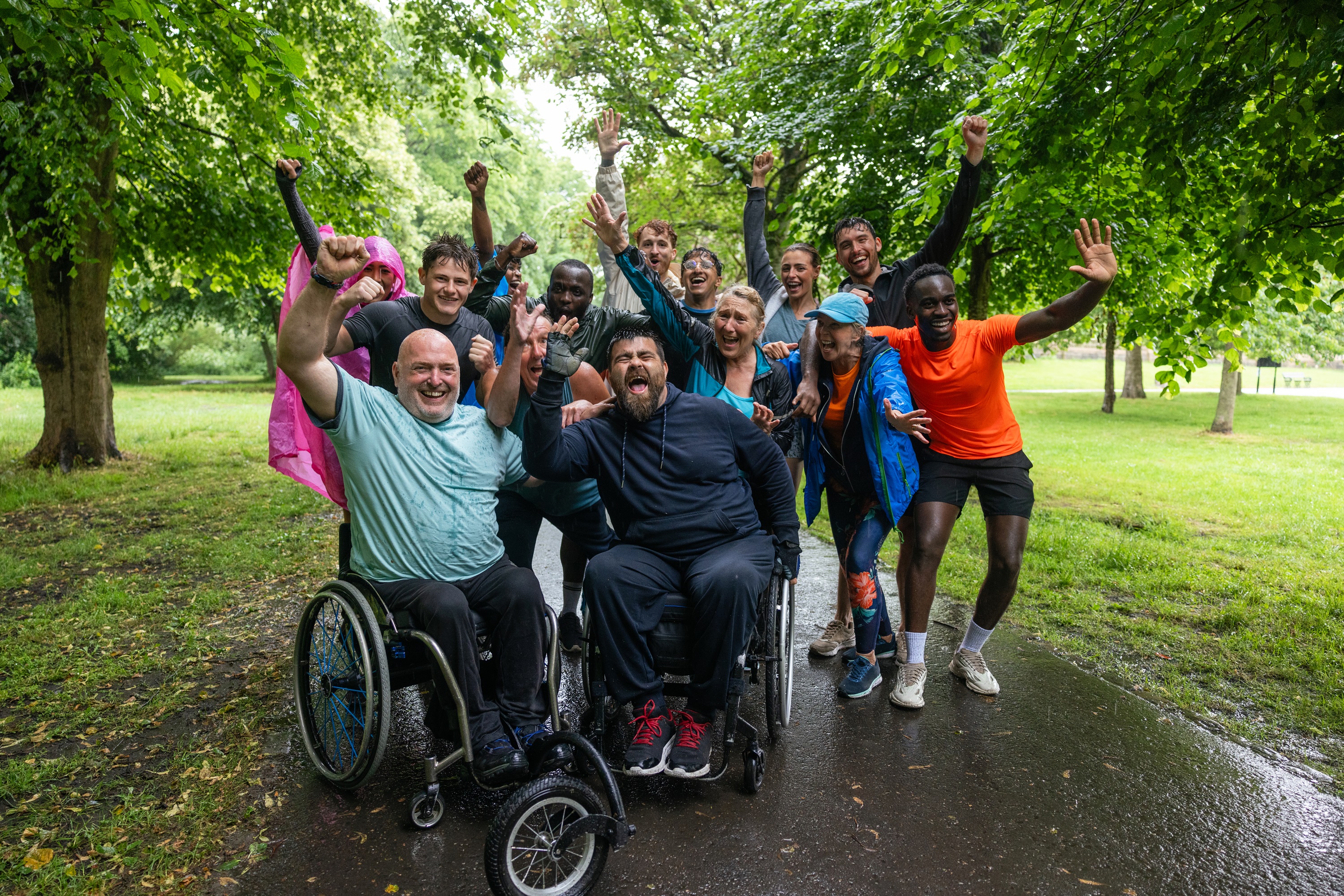
Accessible parking stalls are reserved for vehicles that are transporting a person who:
- has a valid accessible parking placard properly displayed, or
- has a designated accessible licence plate
Placards and plates are issued through provincial processes based on medical needs. A placard belongs to the person, not the vehicle or the driver.
Accessible parking supports:
- independence
- safety
- dignity
- equal access to community life
Leaving these spaces available is a shared responsibility that helps make Calgary more inclusive for everyone.
How to use it respectfully
To help accessible parking work as intended:
- always display the placard clearly, as required
- only use the stall when the eligible person is entering or exiting the vehicle
- return placards that are expired or no longer needed
- avoid stopping in accessible stalls “just for a minute” — even short stops can block access
What may feel like a small or temporary decision can create a real barrier for someone else.
Why misuse has real impacts
When accessible stalls are misused:
- someone may be unable to safely exit their vehicle
- extra distance or obstacles may cause pain or injury
- appointments, work or essential services may be missed
- people may feel excluded from spaces meant to welcome them
Accessible parking is not about special treatment. It’s about fair access.
Where rules apply
Accessible parking rules apply:
- on streets
- in parking lots and parkades
- at Park & Ride facilities
- during evenings, weekends and events
Unless signs say otherwise, accessible stalls are enforced at all times.
What officers enforce
Parking Safety & Compliance officers enforce accessible parking rules when:
- a stall is used without a valid placard or plate
- placards are not displayed correctly
- access is blocked or restricted
Officers do not determine eligibility. They enforce the rules that protect access, fairness and safety for people who rely on these spaces every day.
How to avoid a ticket in an accessible stall
The easiest way to avoid issues is to:
- only use accessible stalls when you are eligible
- ensure placards are valid and properly displayed
- choose another parking option if you are unsure
If you’re uncertain, it’s best to assume the stall is needed by someone else.
Myths vs. Facts about accessible parking
Myth
It's ok to park accessible stalls if you're there for a minute.
Fact
Even a short stop can block someone who needs extra space to safely enter or exit their vehicle. Accessible stalls are needed when they’re needed, not just when it’s convenient.
Myth
They can't park there because they're not visibly disabled.
Fact
Many disabilities are not visible. Eligibility is determined through a medical and provincial process — not by appearance.
Myth
I can use a stall with someone else's vehicle who has a placard.
Fact
Accessible stalls may only be used when the eligible person is entering or exiting the vehicle and the placard must be properly displayed.
Myth
Accessible parking is about special treatment.
Fact
Accessible parking is about equitable access — helping everyone participate fully in community life.
Frequently asked questions
Why are accessible parking rules enforced so strictly?
Accessible parking is enforced strictly because misuse can immediately prevent someone from safely accessing a building, service or public space. Unlike other parking rules, there is often no alternative option nearby for someone who needs an accessible stall.
I don’t “look” disabled — why was enforcement involved?
Not all disabilities are visible. Accessible parking rules are based on eligibility and proper authorization, not appearance. Enforcement focuses on whether a valid placard or plate is being used correctly, not on judging someone’s health or mobility.
Can someone else use my placard if they’re running an errand for me?
No. Accessible parking privileges only apply when the placard holder is entering or exiting the vehicle. Using a placard when the eligible person is not present is considered misuse.
Why can’t I stop “just for a minute” in an accessible stall?
Accessible stalls are designed to remain available at all times. Even brief stops can block access for someone who needs the space immediately, including people using mobility aids or vehicles with ramps.
Do accessible parking rules apply on private property?
Yes. Accessible parking rules apply on both public and private property that is open to the public, such as shopping centres, parkades and surface lots. These spaces must remain accessible regardless of who owns the property.
What should I do if all accessible stalls are full?
If all accessible stalls are occupied, it’s best to:
- Look for another accessible location nearby, or
- Choose a legal parking space that allows safe access
Parking in a non‑accessible stall does not remove the requirement to leave accessible stalls clear for others who may arrive next.
What if I forgot to hang my placard?
Placards must be clearly displayed when using an accessible stall. If a placard isn’t visible, officers can’t confirm eligibility. This can result in a ticket even if the placard holder is present.
Can accessible parking stalls require payment?
Yes. In some locations, accessible stalls are located within paid parking zones. A valid placard allows use of the stall, but it does not always exempt payment unless specifically stated.
How do I report misuse of an accessible parking stall?
If a vehicle is currently parked in an accessible stall without proper authorization, you can contact Parking Safety & Compliance for real‑time response on 403‑537‑7000 (option 3).
This helps protect access for people who rely on these spaces.
What happens if someone misuses accessible parking repeatedly?
Repeated misuse can result in:
- Tickets
- Towing
- Cancellation of placard privileges
These measures help ensure accessible parking remains available to those who truly need it.
How does education over enforcement apply to accessible parking?
Education is always part of the approach, especially when misunderstandings are identified. However, because misuse directly affects mobility and dignity, enforcement is used more quickly than for other parking issues when access is blocked.
Who decides who qualifies for an accessible placard?
Placards are issued through provincial processes based on medical eligibility. Parking officers do not determine eligibility — they only ensure the placard is used according to the rules.
Why does accessible parking matter beyond convenience?
Accessible parking supports:
- Independence
- Safety
- Dignity
- Equal access to community life
Leaving these spaces open is a shared responsibility that helps make Calgary more inclusive.
Help or concerns?
Clear information helps prevent disruption and frustration.
- Active access or parking issue: 403‑537‑7000 (option 3)
- Questions about accessible parking rules: Contact 311
Response times vary based on safety priorities and call volume.
Related information
These resources provide additional guidance, applications and support related to accessible parking.