Residential street and neighbourhood parking
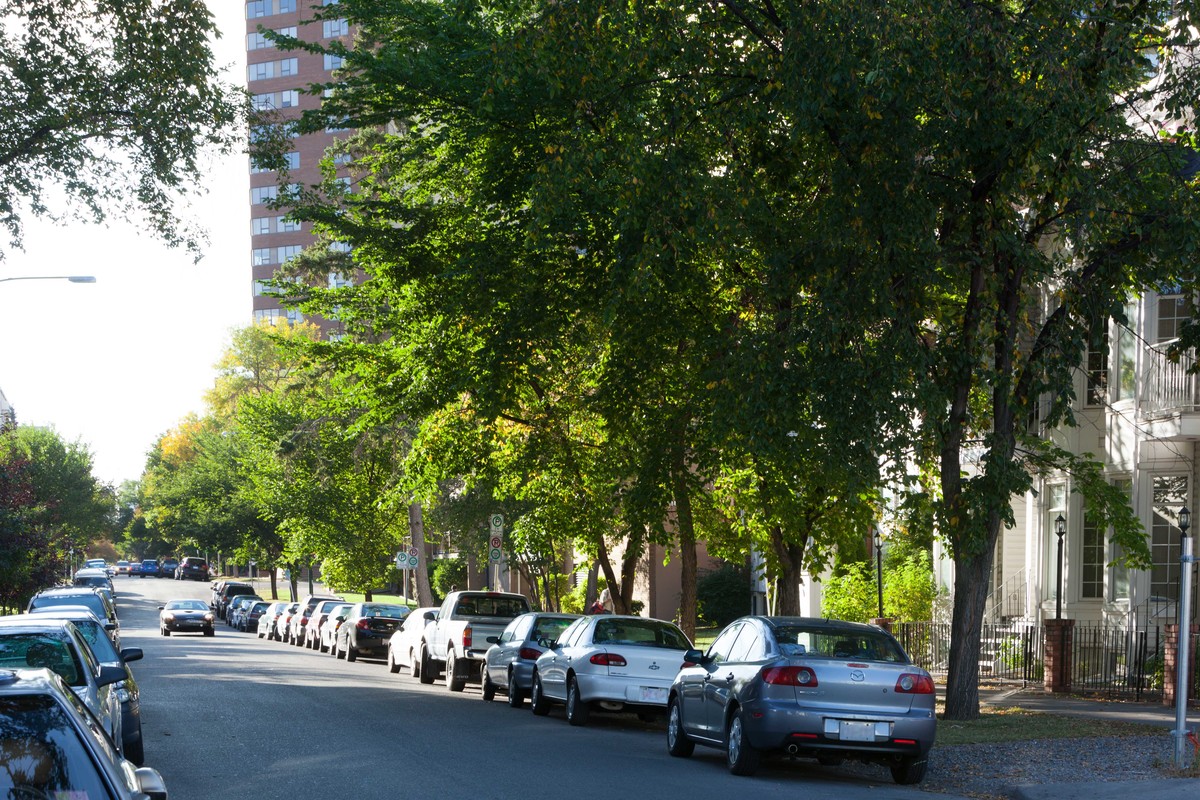
Parking safety in shared spaces and neighbourhoods Residential street and neighbourhood parking
Residential streets are shared public spaces. They support everyday life in neighbourhoods — people coming and going from home, children walking or biking, deliveries, waste collection, snow clearing and emergency response.
Parking on residential streets works best when it supports safety, access and respect for neighbours. This page explains how to park safely and legally on residential streets, why the rules exist and how understanding them can help you avoid tickets, towing and delays whenever possible.
Education over enforcement approach
Parking Safety & Compliance takes an education‑first approach on residential streets, especially where:
- parking habits may be long‑standing
- rules aren’t always obvious
- temporary changes are in place
This means officers:
- explain the rule and the safety reason behind it
- focus on locations where access or safety is affected
- encourage voluntary compliance whenever possible
Enforcement may still occur when parking:
- creates a safety risk
- blocks access
- interferes with services
- continues after education
The goal is safe, predictable neighbourhood streets, not punishment.

What counts as a residential street?
A residential street is part of Calgary’s roadway network — just like a main road or an alley.
Parking on residential streets is regulated under the:
These rules apply city‑wide, even if a street feels quiet or familiar.
How to avoid a ticket on residential streets
The easiest way to avoid issues is to:
- keep driveways, sidewalks and corners clear
- watch sightlines near intersections and crosswalks
- check for time limits or permit restrictions
- leave room for waste, snow‑clearing and emergency vehicles
- look for temporary signs related to construction or events
If a space feels tight or unclear, it’s usually not intended for parking.
Common residential parking issues
Driveways & garages
Driveways & garages
Vehicles must not block or park in front of or within 1.5 metres (5 feet) of driveways or garages.
Blocked access can prevent residents from leaving or returning home and can delay emergency response.
Crosswalks & sightlines
Crosswalks & sightlines
Parking too close to corners or intersections reduces visibility for everyone — especially children, people using mobility aids and drivers turning onto the street.
Clear sightlines are critical for neighbourhood safety.
Sidewalks & curbs
Sidewalks & curbs
Vehicles must not park on sidewalks or curb ramps.
Blocked pedestrian space forces people into the roadway and creates serious safety and accessibility risks.
Fire & emergency access
Fire & emergency access
Fire lanes and hydrant clearances must stay open at all times.
Even short stops can delay emergency response when seconds matter.
Waste, recycling & snow
Waste, recycling & snow
Residential streets need clear access so crews can safely collect waste, clear snow and maintain the roadway.
Blocked access can result in missed service or delays.
Time limits & permit zones
Time limits & permit zones
Some residential streets have time‑limited parking or permit requirements to balance neighbourhood access.
Always check posted signs — even on streets you use regularly.
In your neighbourhood
In your neighbourhood
Most residential parking issues occur when a vehicle:
- is too close to a driveway or curb cut
- blocks a sidewalk or curb ramp
- reduces sightlines near a corner or intersection
- is parked near a fire hydrant
- ignores posted time limits or permit restrictions
Many of these issues aren’t obvious until you step back and look at how the space needs to work for neighbours, pedestrians, service vehicles and emergency access.
Vehicle towing in residential areas
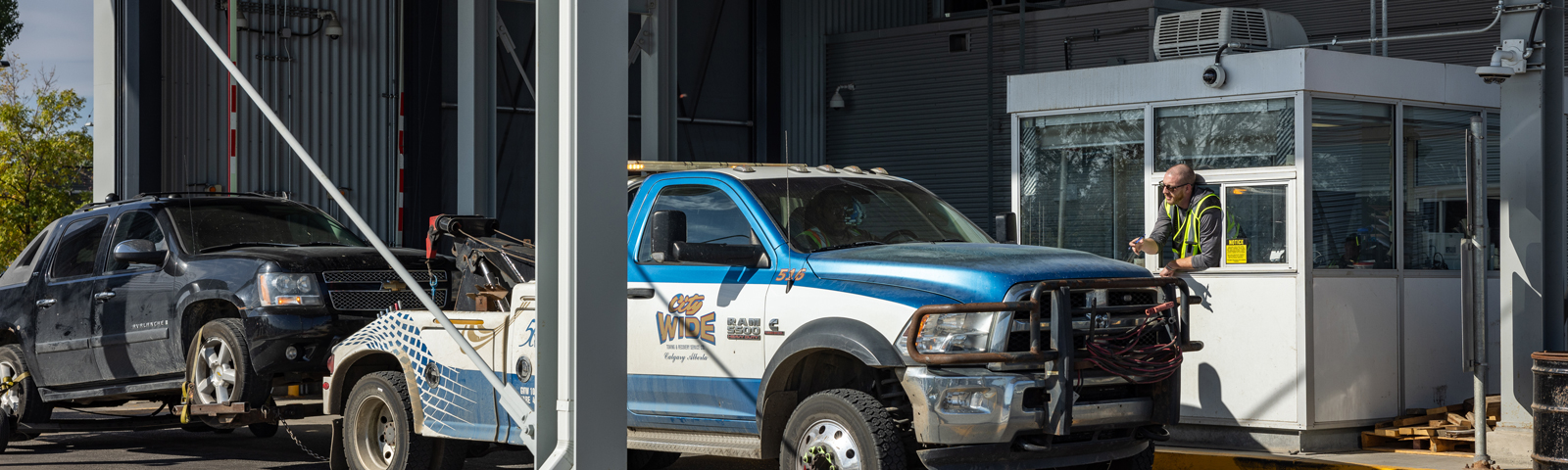
Towing is not common on residential streets. It may occur when a vehicle:
- blocks emergency access
- prevents a driveway from being used
- creates an ongoing safety risk
- remains non‑compliant after enforcement
If a vehicle is towed, it may be taken to the Municipal Impound Lot, where release is governed by provincial legislation and City procedures.
Understanding and following residential parking rules helps reduce the risk of towing altogether.
Myths vs. Facts about parking on residential streets
Myth
If I live on the street I can park wherever I want.
Fact
Residential streets are shared public spaces. Parking rules exist to protect access, safety and services for everyone.
Myth
Most people park like this on my street so I can too.
Fact
Common behaviour doesn’t override the rules. Enforcement focuses on safety, access and repeat issues.
Myth
It's ok to park here briefly.
Fact
Short stops can still block driveways, sidewalks or emergency access.
Myth
If there’s no sign, parking must be allowed.
Fact
Some parking rules apply everywhere, even without signs — such as driveway, sidewalk and corner clearances.
Frequently asked questions
Why did I get a ticket when others were parked the same way?
Enforcement often occurs after a complaint or safety issue is identified. Once officers attend, bylaws must be applied consistently — even if the behaviour is common.
Can I park in front of my own driveway?
No. Residential streets are public roadways. Blocking a driveway — even your own — may interfere with access, sightlines or emergency response.
Do residential parking rules apply overnight?
Yes. Distance rules, fire hydrant restrictions and sidewalk access apply at all times unless signage says otherwise.
Are officers patrolling neighbourhoods all the time?
What if signage is unclear or missing?
If signage is unclear, contact 311. For immediate safety or access issues, contact 403‑537‑7000 (option 3).
Help or concerns?
Clear information helps prevent disruption and frustration.
- Active access or parking issue: 403‑537‑7000 (option 3)
- Questions about accessible parking rules: Contact 311
Response times vary based on safety priorities and call volume.
Related information
These resources offer additional guidance, tools and support related to parking on residential streets and in neighbourhoods.