License plate recognition during rush hour
How licence plate recognition supports safety and traffic flow Parking during rush hour
Rush hour is when Calgary’s streets are under the most pressure. Roads are busier, curb space is limited and even short parking or stopping mistakes can quickly lead to congestion and safety risks.
To help keep traffic moving and streets safe during peak periods, the Parking Safety & Compliance team prioritizes addressing illegal parking and unsafe stopping — using licence plate recognition (LPR) technology to help officers identify and respond to problem areas more effectively.
This page explains:
- why parking rules matter most during rush hour
- how LPR‑equipped vehicles support parking safety
- what LPR does — and what it does not do
- how education and fairness guide enforcement decisions
Education over enforcement approach
Our Parking Safety & Compliance officers take an education‑first approach whenever possible, including during rush hour.
This means officers:
- focus on clearly signed, time‑based restrictions
- prioritize locations where safety or access is affected
- apply enforcement when parking behaviour continues or creates risk
Enforcement is used when needed to protect access, safety and fairness for everyone using the street at the busiest times.

Why rush hour enforcement matters
Who does it impact?
During peak travel times, illegal parking and stopping have the greatest impact on:
- traffic flow and commute times
- transit reliability
- emergency vehicle access
- pedestrian and cyclist safety
That’s why our Parking Safety & Compliance officers prioritize time‑restricted and high‑impact locations during rush hour — including Downtown corridors, transit routes, bus zones and areas affected by construction or special events.
Even brief stops in these locations can block lanes, reduce visibility or delay hundreds of people.
How LPR supports parking safety
LPR technology is used to support officers, not replace them.
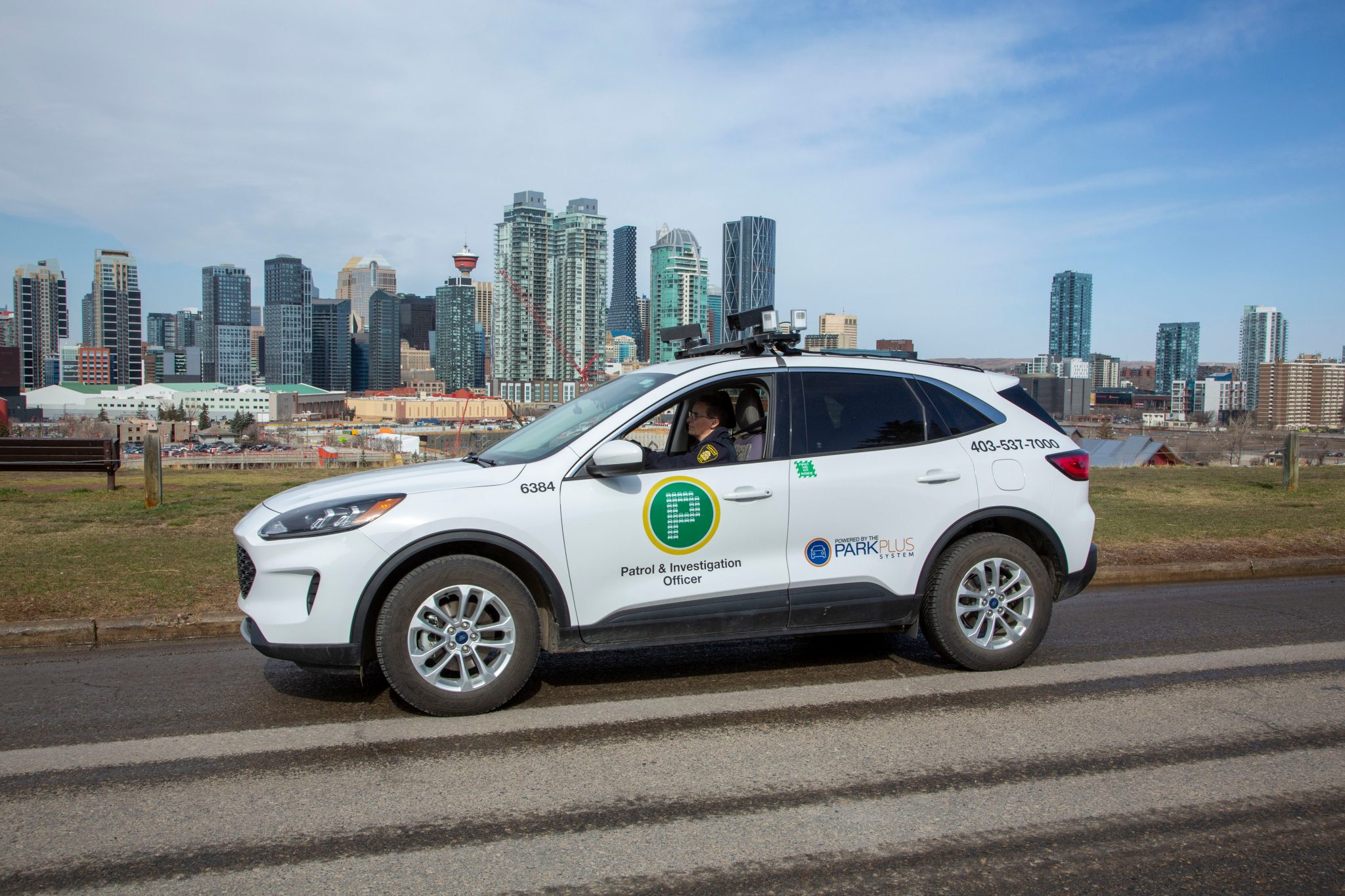
During rush hour, our Parking Safety & Compliance officers use marked enforcement vehicles equipped with LPR to:
- scan licence plates of parked vehicles while patrolling
- compare plate information against parking sessions, permits and posted restrictions in the ParkPlus system
- identify potential parking issues more efficiently in time‑restricted areas
Every potential issue flagged by the system is reviewed by a trained officer before any ticket is issued. Officer judgment always applies.
This allows officers to focus on locations where parking behaviour has the greatest safety and traffic impact.
What LPR vehicles don't do
LPR is used for parking compliance, not police investigations. It’s important to be clear about what LPR use does not involve:
- automatically issuing tickets
- track people or driving behaviour
- conduct traffic enforcement (such as speeding or red‑light enforcement)
The technology supports transparency and consistency — not surveillance.
Tickets during rush hour
-
Avoid a parking ticket
The easiest way to avoid issues during peak periods is to read all posted signs, watch for rush‑hour “No Stopping” and “No Parking” zones, keep bus zones, bike lanes, fire lanes and accessible stalls clear and use loading zones only as intended and within posted time limits
If a space feels unclear or temporary, it’s usually not intended for parking during rush hour.
-
If you receive a ticket
Parking tickets are issued under City bylaws and provincial legislation.
Options include paying the ticket, requesting a review (appeal) and understanding next steps if the ticket is unpaid.
Myths vs. Facts about license plate recognition
Myth
LPR automatically issues tickets.
Fact
LPR only flags potential parking issues. Every ticket is reviewed and issued by a trained Parking Safety & Compliance Officer.
Myth
LPR tracks people or driving behaviour.
Fact
LPR is used for parking compliance only. It does not track people, movements or driving behaviour.
Myth
LPR means more tickets for everyone.
Fact
LPR helps officers focus on high‑impact rush‑hour locations where illegal parking causes the most congestion and safety risk.
Myth
This technology will replace officer judgment.
Fact
Officer judgment always applies. LPR supports education and consistency — it does not replace decision‑making.
Frequently asked questions
Why does enforcement feel stricter during rush hour?
Rush hour is when small parking or stopping issues cause the biggest problems. A single vehicle can block a lane, delay a bus or create safety risks very quickly. That’s why enforcement is more visible and focused during peak periods.
I park here every day — why did I get a ticket today?
Many streets have time‑based rules that change by hour, not by location. Parking that’s allowed mid‑day or overnight may be restricted during morning or afternoon rush hour. Familiar streets often have different rules at different times.
Does LPR mean officers don’t look at the situation anymore?
No. Officers still review every situation. LPR helps spot potential issues faster, but an officer still checks signage, timing and context before deciding whether enforcement is appropriate.
Can LPR tell if my vehicle just arrived?
LPR helps identify vehicles during patrols, but enforcement decisions are based on posted rules, not how long someone intended to stay. During rush hour, even short stops can create safety or congestion issues.
Why can’t officers just warn people during rush hour?
In some cases, officers do provide education. But during peak traffic periods, delays or repeated violations can quickly escalate into safety risks. When that happens, enforcement may be the fastest way to restore traffic flow and reduce risk.
Is LPR used everywhere during rush hour?
No. LPR use is targeted, not blanket‑wide. It’s focused on:
- Busy corridors
- Transit routes
- Downtown and commercial areas
- Locations with known congestion or safety issues
What if signage was confusing or blocked?
If signage is unclear or missing, that’s important to flag. Use 311 to report signage issues so they can be reviewed and corrected. Sign clarity is a key part of education over enforcement.
Does LPR affect privacy?
LPR used for parking enforcement focuses on vehicles and licence plates, not people. It supports parking compliance and is reviewed by trained staff. It is not used for traffic surveillance or general monitoring.
Why do tickets sometimes arrive by mail?
When LPR is used, images are reviewed and processed before a ticket is issued. This means tickets may be mailed rather than placed on the vehicle. The same review and appeal options apply.
Can LPR make mistakes?
Like any tool, LPR isn’t perfect on its own — that’s why officer review is required before enforcement. If you believe a ticket was issued in error, you can request a review through the standard process.
How does this support fairness?
LPR helps apply rules consistently, especially in busy areas where manual checks are difficult. This reduces selective enforcement and helps ensure everyone is treated the same during peak periods.
What’s the best way to avoid rush hour issues?
The simplest steps are:
- Read the time lines on signs, not just the symbols
- Assume rules may change during peak hours
- Avoid stopping in travel or bus lanes, even briefly
- Use off‑street parking when possible during rush hour
Who should I contact if a vehicle is blocking traffic right now?
If a vehicle is currently parked and causing a safety or traffic issue during rush hour, call 403‑537‑7000 (option 3) This allows officers to respond in real time.
Help or concerns?
Clear information helps prevent disruption and frustration.
- Active access or parking issue: 403‑537‑7000 (option 3)
- Questions about license plate recognition: Contact 311
Response times vary based on safety priorities and call volume.
Related information
These resources provide additional guidance, applications and support related to the license plate recogniton system during rush hour.