Parking safely in cul-de-sacs
Parking safety in shared residential spaces Cul-de-sac parking
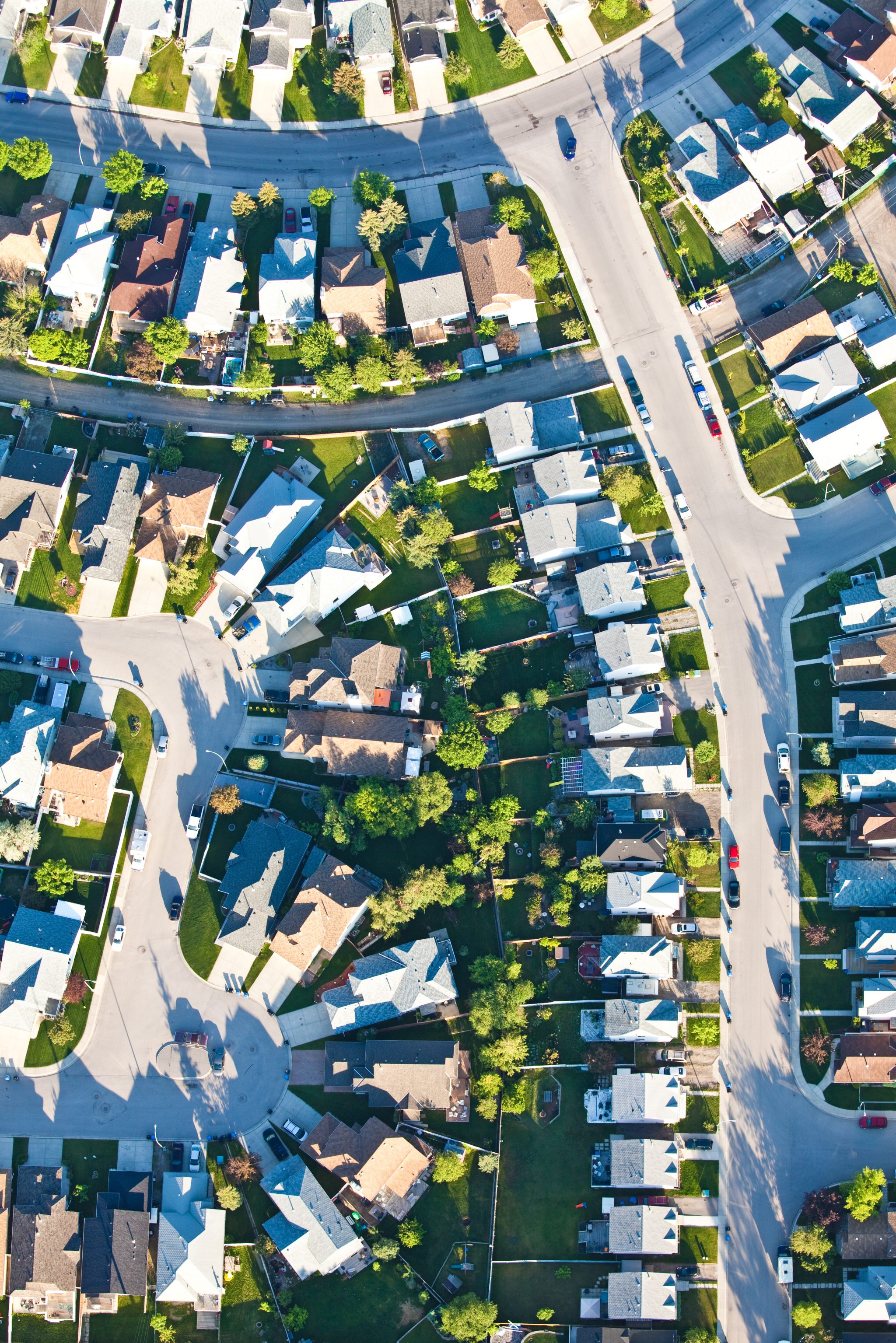
Cul‑de‑sacs are shared residential spaces. While they often feel quieter than through‑streets, they are designed to support everyday neighbourhood needs — including access for large vehicles that must be able to enter, turn around and leave safely.
These include:
- emergency vehicles
- waste and recycling trucks
- snow clearing equipment
- delivery and service vehicles
Parking in cul‑de‑sacs works best when vehicle placement keeps the centre clear and access predictable for everyone.
Education over enforcement approach
Parking Safety & Compliance uses an education‑first approach in residential areas, especially where long‑standing parking habits may not reflect current rules.
This means officers:
- explain the rule and the safety reason behind it
- focus on locations where access or safety is affected
- encourage voluntary compliance whenever possible
Enforcement may still occur when:
- access is restricted
- safety is affected
- parking continues after education
The goal is safe, reliable access, not punishment.

-
Default rule: park parallel to the curb
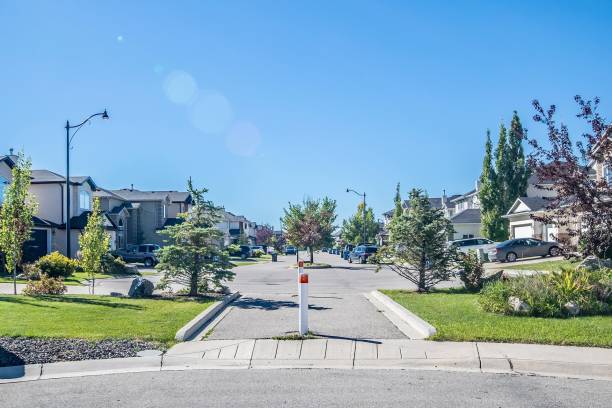
If parking isn’t clearly marked, park alongside the curb, keep your vehicle straight and leave the centre of the cul‑de‑sac clear.
This rule applies even if angle parking has “always been done” on the block, there are no signs saying angle parking is prohibited or other vehicles are parked at an angle.
If angle parking isn’t clearly marked, it isn’t allowed.
-
When angle parking is permitted
Angle parking is only allowed when the cul‑de‑sac has been reviewed and approved by The City, angle‑parking signs are installed and painted stall markings are visible on the roadway.
Each cul‑de‑sac is assessed individually. Approval depends on whether minimum clearances can be maintained for, emergency vehicles, waste and recycling collection and snow plows and maintenance equipment.
Angle parking is never automatic and is not allowed by default.
-
Why angle parking is often prohibited
Many cul‑de‑sacs simply aren’t wide enough to safely support angle parking.
Unapproved angle parking can, reduce the turning radius needed by fire and waste & recycling trucks, prevent snow plows from operating and force large vehicles to back up unsafely.
What may look like “extra space” can disappear quickly when large vehicles are operating — especially in winter or during emergencies.
-
Why enforcement can feel sudden
Angle parking in cul‑de‑sacs is most often addressed after a concern is raised, when access is affected and during snow clearing or emergency response.
Parking Safety & Compliance Officers do not routinely patrol cul‑de‑sacs. However, when an officer responds to a safety or access issue, they are required to apply the rules consistently.
Why cul-de-sac parking is different
Cul‑de‑sacs are engineered with specific dimensions so large vehicles can:
- enter
- turn around
- exit safely
When parking reduces those clearances, even slightly, it can:
- block fire trucks or ambulances
- prevent waste and recycling collection
- stop snowplows from clearing properly
- force large vehicles to reverse unsafely
- delay emergency response when seconds matter
Even one vehicle parked incorrectly can affect the entire street.
How to avoid a ticket in a cul-de-sac
The easiest way to avoid issues is to:
- keep driveways, sidewalks and corners clear
- watch sightlines near intersections and crosswalks
- check for time limits or permit restrictions
- leave room for waste, snow‑clearing and emergency vehicles
- look for temporary signs related to construction or events
If a space feels tight or unclear, it’s usually not intended for parking.
Request angle parking for a cul-de-sac
Residents can request a City review to see whether angle parking may be permitted. The process includes:
- a technical assessment by multiple City departments
- review of emergency and service vehicle access
- a petition requiring 80% support from adjacent residents
- installation of signage and road markings if approved
Approval isn’t guaranteed and costs for signage and markings are the responsibility of the applicant.
Apply onlineMyths vs. Facts about cul-de-sac parking
Myth
I can park here because there are no signs saying I can't.
Fact
Signs are only installed where angle parking is permitted. No signs usually means parallel parking only.
Myth
Everyone on our street angle parks so I can do.
Fact
Common practice doesn’t override the rules. Once a safety or access issue is identified, officers must enforce consistently.
Myth
Parallel parking means there isn’t enough space.
Fact
That often indicates the cul‑de‑sac may not safely support angle parking without formal review and approval.
Frequently asked questions
Why is angle parking allowed on some cul‑de‑sacs but not others?
Each cul‑de‑sac is built differently. Angle parking is only allowed where there is enough space for emergency vehicles, waste collection and snow clearing to operate safely — and only after a City review and approval.
If angle parking can’t be supported safely, it isn’t permitted.
Do parking rules still apply even if our street has always angled parked?
Yes. Parking rules apply city‑wide on residential streets, including cul‑de‑sacs. Long‑standing habits don’t change how a space needs to function for safety and access.
Education usually comes first, but the rules must be applied consistently when access or safety is affected.
Why isn’t there a sign telling me I can’t angle park?
Angle parking is only signed where it is allowed.
If there are no angle‑parking signs and no painted stall markings, the default rule applies: park parallel to the curb.
Do Parking Safety & Compliance Officers regularly patrol cul‑de‑sacs?
No. Officers focus on locations where safety, access or service impacts are occurring. Enforcement typically happens when an issue is identified or reported.
Can angle parking ever become legal automatically?
No. Angle parking requires formal approval, signage and road markings. Without these, it remains prohibited.
Can I request angle parking for my cul‑de‑sac?
Yes. Residents can request a City review to see whether angle parking may be permitted. Approval depends on safety, street width and service access, and requires strong support from adjacent residents.
Approval isn’t guaranteed.
Help or concerns?
Clear information helps prevent surprise tickets and neighbourhood conflict.
- Active access or parking issue: 403‑537‑7000 (option 3)
- Questions about accessible parking rules: Contact 311
Response times vary based on safety priorities and call volume.
Related information
These resources provide additional guidance, applications and support related to residential cul-de-sac parking