Why "a minute" matters — top parking mistakes to avoid near schools
During busy school drop‑off and pick‑up times, parking mistakes often happen when drivers feel rushed, stressed or unsure where they can stop. Many people understand the rules — but don’t think it’s a big deal to break them for a short time.
What we see on the ground tells a different story.
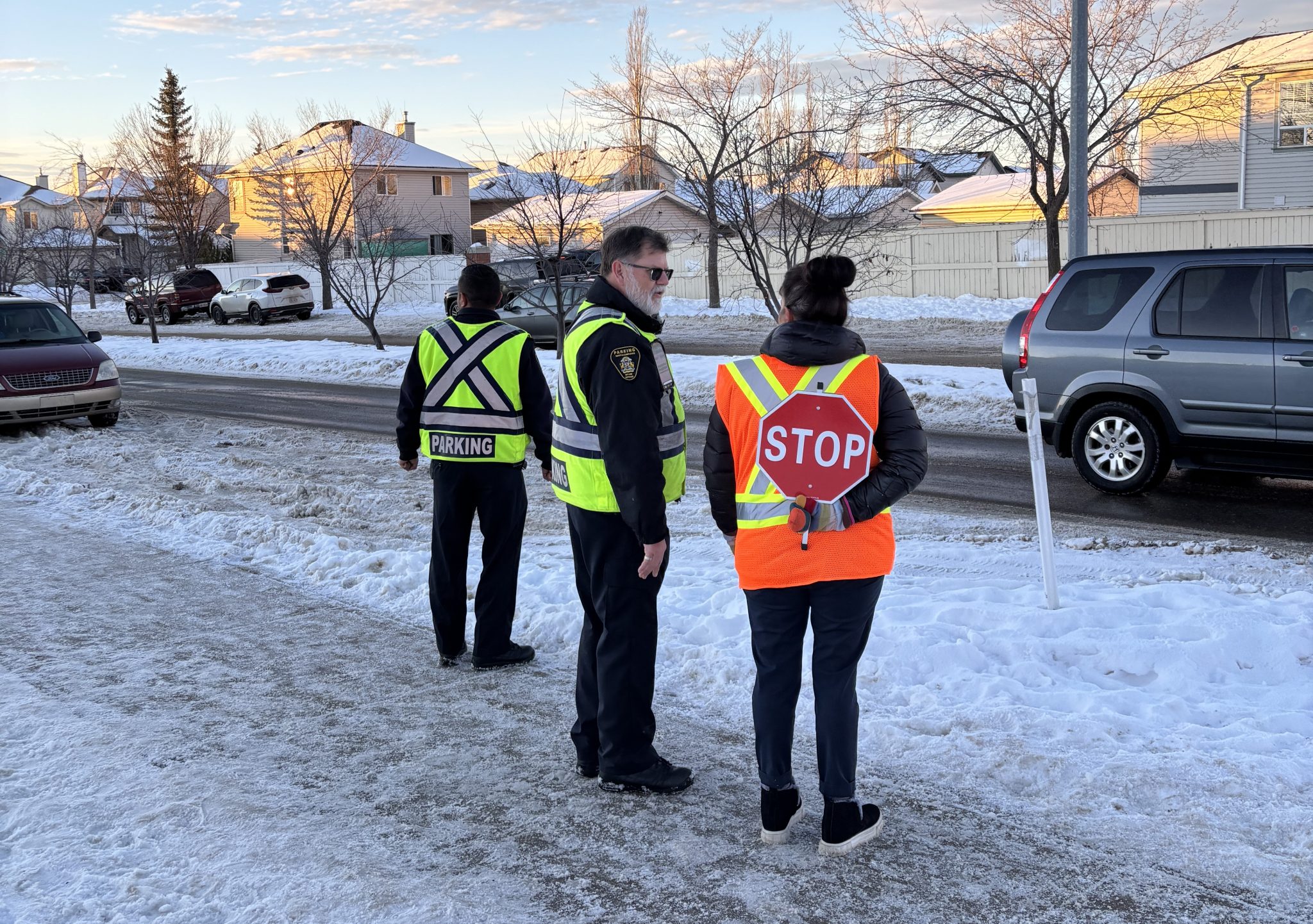
“Our Parking Safety and Compliance Officers hear it every day: ‘I’ll just be a minute,’” said Todd Sullivan, leader of Parking Patrol and Investigations at The City of Calgary. “But in school zones, even one minute can block sightlines, disrupt traffic and put children at risk.”
Based on what officers see during School Patrols — and what residents regularly raise in community conversations — here’s why these parking behaviours are risky, even when they feel brief.
Why "just a minute" isn't harmless
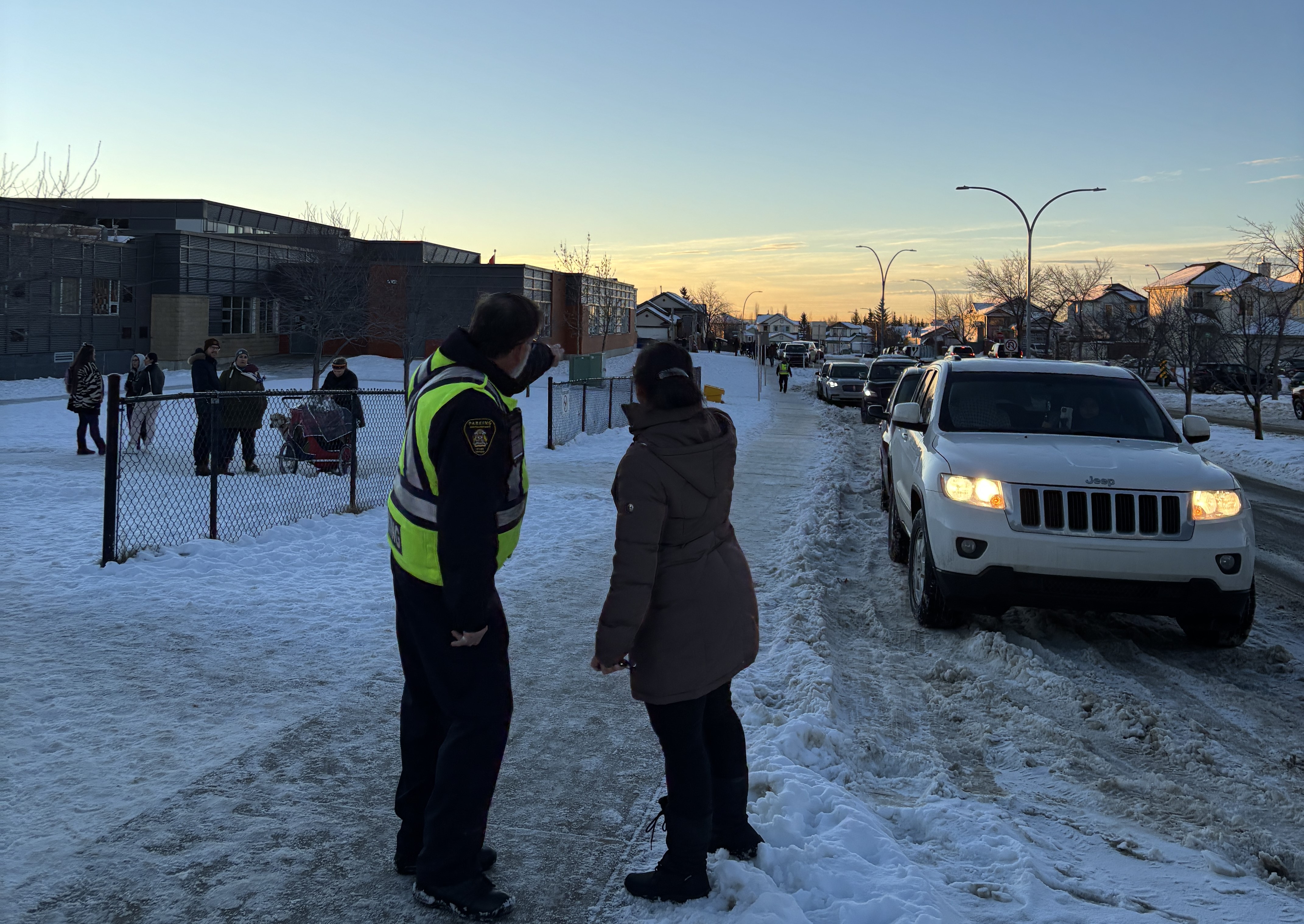
From social media comments to calls from residents, one message comes through clearly: short stops often aren’t short at all. What feels like a quick drop‑off can easily turn into several minutes — walking a child to the door, waiting for a bell or getting caught in congestion.
During those minutes:
- Children are moving unpredictably
- Traffic volumes are at their highest
- Visibility is already limited by parked vehicles and buses
Even a single vehicle stopped in the wrong place can trigger a chain reaction — forcing kids to step into traffic, pushing drivers into unsafe manoeuvres and increasing frustration for everyone.
That’s why parking rules near schools are designed to work only if they’re followed every time, not just when it’s convenient.
The most common parking mistakes near schools — and why they matter
1. Parking too close to crosswalks or corners
Blocking corners makes it harder for drivers to see kids — and for kids to see cars. This is one of the most common concerns raised by parents, school staff and nearby residents.
Why it matters:
Children are smaller and harder to see. When sightlines are blocked, drivers have less time to react.
Avoid it:
Leave about the length of a car (5 metres) between your vehicle and any crosswalk or intersection.
| Payment schedule | Within 10 days | Between 10 and 30 days | After 30 days |
|---|---|---|---|
| Payment schedule : Fine | Within 10 days : $40 | Between 10 and 30 days : $50 | After 30 days : $68 |
See Calgary Parking Bylaw 41M2002 – Section 3(1)(d), 3(1)(h)
2. Double parking — even “just for drop‑off”
Stopping beside parked cars forces children to walk between vehicles and into live traffic lanes.
Why it matters:
Officers regularly see kids exiting vehicles directly into traffic when double parking happens, especially during peak times.
Avoid it:
Only park in designated spots — never beside other cars.
| Payment schedule | Within 10 days | Between 10 and 30 days | After 30 days |
|---|---|---|---|
| Payment schedule : Fine | Within 10 days : $40 | Between 10 and 30 days : $50 | After 30 days : $68 |
See Calgary Parking Bylaw 41M2002 – Section 3(1)(l)
3. Parking in “No Parking” or “No Stopping” zones
A common misconception is that hazard lights make short stops acceptable. They don’t.
Why it matters:
These zones protect visibility and traffic flow. When one vehicle stops, others often follow — quickly creating congestion and unsafe conditions.
Avoid it:
If you see a sign, keep driving.
| Payment schedule | Within 10 days | Between 10 and 30 days | After 30 days |
|---|---|---|---|
| Payment schedule : Fine | Within 10 days : $40 | Between 10 and 30 days : $50 | After 30 days : $68 |
See Calgary Traffic Bylaw 26M96 – Section 13(1)
4. Parking on sidewalks or boulevards
This forces pedestrians — including children and caregivers — into the street.
Why it matters:
Sidewalks are safety infrastructure. When they’re blocked, people are pushed into traffic at exactly the wrong time of day.
Avoid it:
Stay on the road or in marked stalls.
| Payment schedule | Within 10 days | Between 10 and 30 days | After 30 days |
|---|---|---|---|
| Payment schedule : Fine | Within 10 days : $40 | Between 10 and 30 days : $50 | After 30 days : $68 |
See Calgary Parking Bylaw 41M2002 – Section 3(1)(a)
5. Parking in school bus zones
Residents and bus drivers regularly report vehicles stopping in bus zones once buses “have already left.”
Why it matters:
Bus schedules change. When a bus arrives and the zone is blocked, children may be forced to load or unload in the roadway.
Avoid it:
Never park in bus zones — at any time.
| Payment schedule | Within 10 days | Between 10 and 30 days | After 30 days |
|---|---|---|---|
| Payment schedule : Fine | Within 10 days : $40 | Between 10 and 30 days : $50 | After 30 days : $75 |
See Calgary Traffic Bylaw 26M96 – Section 35(2)
6. Blocking driveways or garages
This behaviour creates tension in neighbourhoods and blocks safe access.
Why it matters:
Blocked driveways can delay residents, deliveries and emergency services — and often happen when nearby no‑stopping zones aren’t respected.
Avoid it:
Leave at least 1.5 metres of space.
| Payment schedule | Within 10 days | Between 10 and 30 days | After 30 days |
|---|---|---|---|
| Payment schedule : Fine | Within 10 days : $40 | Between 10 and 30 days : $50 | After 30 days : $75 |
See Calgary Parking Bylaw 41M2002 – Section 3(1)(g)
7. Angle parking in cul‑de‑sacs without signage
Cul‑de‑sacs near schools are frequently raised as problem areas.
Why it matters:
Angle parking without signage restricts access, limits turning space and increases risk during busy periods.
Avoid it:
Only angle park where signs allow it.
| Payment schedule | Within 10 days | Between 10 and 30 days | After 30 days |
|---|---|---|---|
| Payment schedule : Fine | Within 10 days : $40 | Between 10 and 30 days : $50 | After 30 days : $68 |
See Calgary Parking Bylaw 41M2002 – Section 5(2)
8. Parking in fire lanes or emergency access zones
These areas are zero‑tolerance.
Why it matters:
Emergency access must be available at all times — especially around schools with large numbers of children.
Avoid it:
Never park near hydrants or emergency exits.
| Payment schedule | Within 10 days | Between 10 and 30 days | After 30 days |
|---|---|---|---|
| Payment schedule : Fine | Within 10 days : $80 | Between 10 and 30 days : $120 | After 30 days : $150 |
See Calgary Parking Bylaw 41M2002 – Section 3(1)(m)
9. Parking for more than 72 hours near schools
Leaving a vehicle parked in the same spot for more than 72 hours can create safety and access issues — especially near schools.
Why it matters:
Vehicles that don’t move for days can reduce visibility for drivers and children, take up limited curb space needed during busy school times, create confusion about whether a vehicle is abandoned and limit access for residents, school operations and emergency services. Around schools, these impacts are amplified. A vehicle that stays in place too long can become a fixed obstacle during drop‑off, pick‑up and special events.
Avoid it:
If you regularly park near a school, make sure your vehicle is moved at least once every 72 hours. This helps keep streets clear, sightlines open, and access available for everyone.
| Payment schedule | Within 10 days | Between 10 and 30 days | After 30 days |
|---|---|---|---|
| Payment schedule : Fine | Within 10 days : $160 | Between 10 and 30 days : $200 | After 30 days : $300 |
See Calgary Parking Bylaw 41M2002 – Section 8(1)(a)
10. Parking in accessible zones without a placard
Accessible parking misuse is regularly raised by residents.
Why it matters:
These spaces protect mobility, dignity and independence — and are critical around busy school sites.
Avoid it:
Only park with a valid, visible placard or plate.
| Payment schedule | Within 10 days | Between 10 and 30 days | After 30 days |
|---|---|---|---|
| Payment schedule : Fine | Within 10 days : $200 | Between 10 and 30 days : $250 | After 30 days : $300 |
See Calgary Traffic Bylaw 26M96 – Section 32(3)
A safer choice when it's busy
When school zones are crowded, the safest options are to:
1. Park once and walk the last block.
It may feel inconvenient, but it’s often the safest and fastest option. It helps reduce congestion right at the school frontage, keeps crosswalks, bus zones and corners clear, giving children a safer, calmer arrival and departure. Many parents who switch to parking a block or two away report fewer conflicts and less stress — especially during peak times
2. Use designated drop‑off areas when available.
Some schools have signed drop‑off or kiss‑and‑go zones designed to keep traffic moving. These are safer as short stops are expected and managed, traffic flow is more predictable and children exit vehicles away from live traffic lanes. If your child’s school has one, use it as intended — pull up, drop off and keep moving
3. Avoid stopping right at the busiest frontage.
The front of the school is usually the most crowded — and the most risky. Safer choices include using a side street where parking is allowed, choosing a legal spot that doesn’t block driveways, sidewalks or sightlines and walking your child the rest of the way. This helps protect children who are crossing and reduces spillover into unsafe areas.
4. Coordinate with neighbours and school communities
In many neighbourhoods, residents, schools and parents work together to ease pressure. Examples include encouraging the use of school buses, staggered pick‑up plans and clear communication about where not to stop. These local solutions don’t eliminate parking demand — but they reduce conflict and improve safety for everyone.
5. If you’re running late, keep moving
Being late is stressful — but stopping illegally adds risk. If you can’t find a legal space right away, circle the block, use a farther spot and walk and avoid stopping in no‑stopping zones, bus lanes or crosswalks. Those areas exist because even short stops there can caused close calls and near‑misses.
These choices reduce congestion, lower frustration and help protect children — even when they take a little extra time.
“Parking safely in school zones isn’t about tickets,” said Todd Sullivan. “It’s about protecting kids and keeping communities moving safely — every day.”
Building safer school communities together
School Patrols focus on the highest‑risk behaviours during peak times, guided by safety data and community reporting. Education helps reduce confusion. Enforcement helps stop repeat risk.
Together, these actions support safer streets, safer schools and a more caring city — one parking decision at a time.
Categories: calgary parking, parking, school safety, school zones